
1. From single agents to agent ecosystems
2. Why multi-agent systems are emerging now
2.1 LLM capability improvements
2.2 Orchestration frameworks
2.3 Enterprise pressure
3. What a production multi-agent system actually looks like
Layer 1 — Orchestration Layer
Layer 2 — Agent Network
Layer 3 — Context & Memory Layer
Layer 4 — Tooling & Execution Layer
Layer 5 — Governance Layer
4. Core design patterns in multi-agent systems
None
4.2 Handoff pattern
4.3 Critic / verifier pattern
4.4 Parallel execution pattern
4.5 Consensus systems
5. Why multi-agent systems are hard in production
5.1 Context fragmentation
5.2 Coordination overhead
5.3 Tool misuse risk
5.4 Observability gaps
5.5 Cost explosion
6. Where multi-agent systems actually succeed today
High complexity + high variability:
7. The real shift: from software systems → intelligence systems
Old world:
New world:
8. Key architectural principle: bounded autonomy
9. How SDH can help build production-grade multi-agent systems
9.1 Agent architecture design
9.2 Production-grade infrastructure
9.3 Enterprise integration layer
9.4 Observability & governance
9.5 AI system modernization
10. Where this is going next
Conclusion
The Rise of Multi-Agent Systems in Production Software

The software industry is undergoing a structural shift that goes far beyond “using AI in apps”. In 2026, the real transformation is the move from single AI models to multi-agent systems (MAS) — networks of specialized AI agents that collaborate, delegate work, validate each other, and execute full workflows inside production systems.
This is not an incremental upgrade. It is a new software architecture layer emerging above microservices, cloud infrastructure, and even traditional orchestration systems.
1. From single agents to agent ecosystems
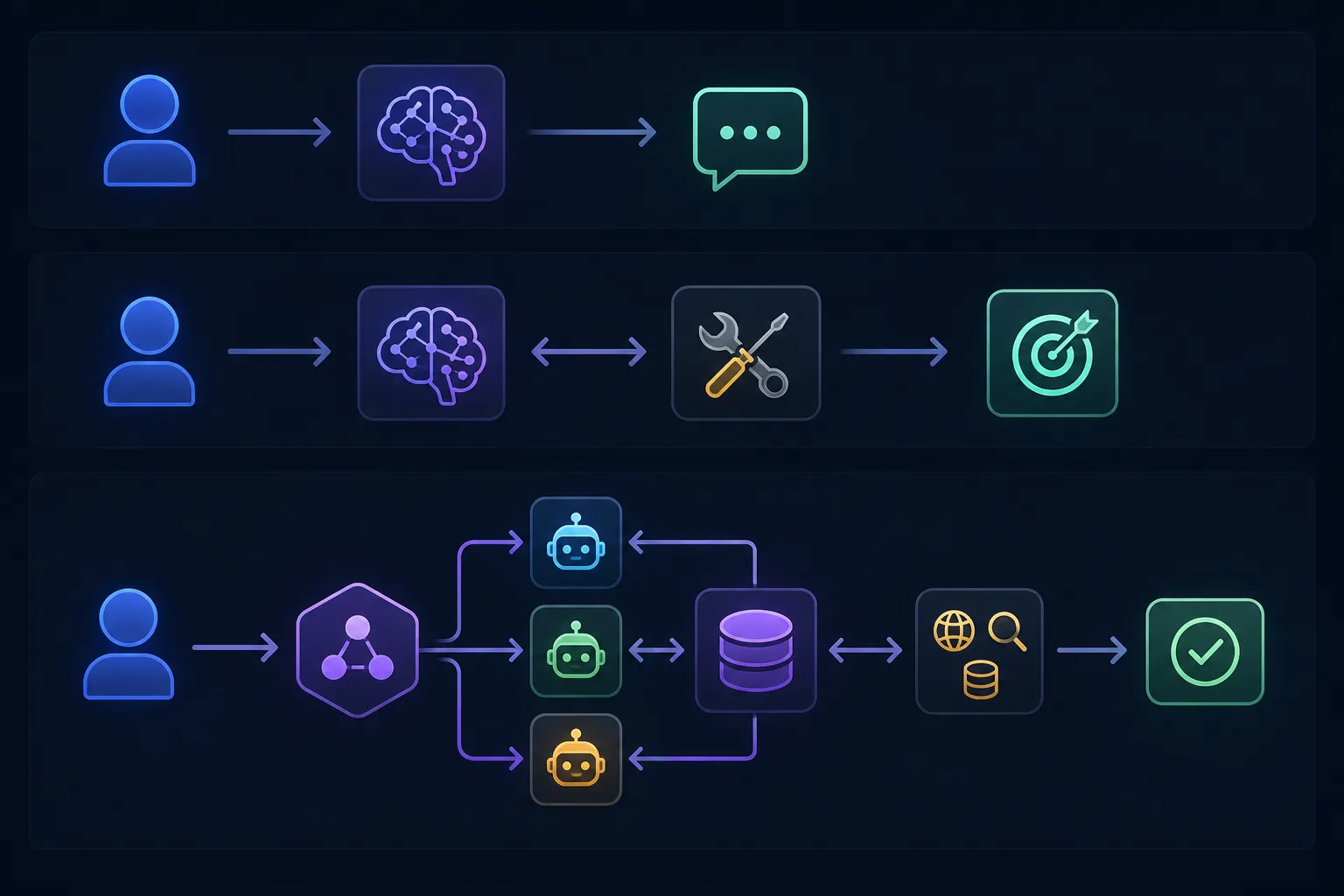
Early AI systems in production followed a simple pattern:
User → LLM → response
Then evolved into:
User → LLM + tools → action
Now enterprise systems are moving into:
User → Orchestrator → Multiple specialized agents → Shared memory + tools → coordinated outcome
Instead of one general-purpose model trying to solve everything, modern systems split intelligence into roles:
- Planning Agent (breaks down tasks)
- Retrieval Agent (finds data)
- Execution Agent (calls APIs / runs actions)
- Critic Agent (validates output)
- Monitoring Agent (tracks safety, cost, compliance)
This structure is already visible in real enterprise deployments, where agent orchestration frameworks are becoming core infrastructure rather than experimental tooling.
The key idea: intelligence is now distributed, not centralized.
2. Why multi-agent systems are emerging now
Multi-agent systems are not new in theory. What changed is that they are finally becoming viable at scale due to:
2.1 LLM capability improvements
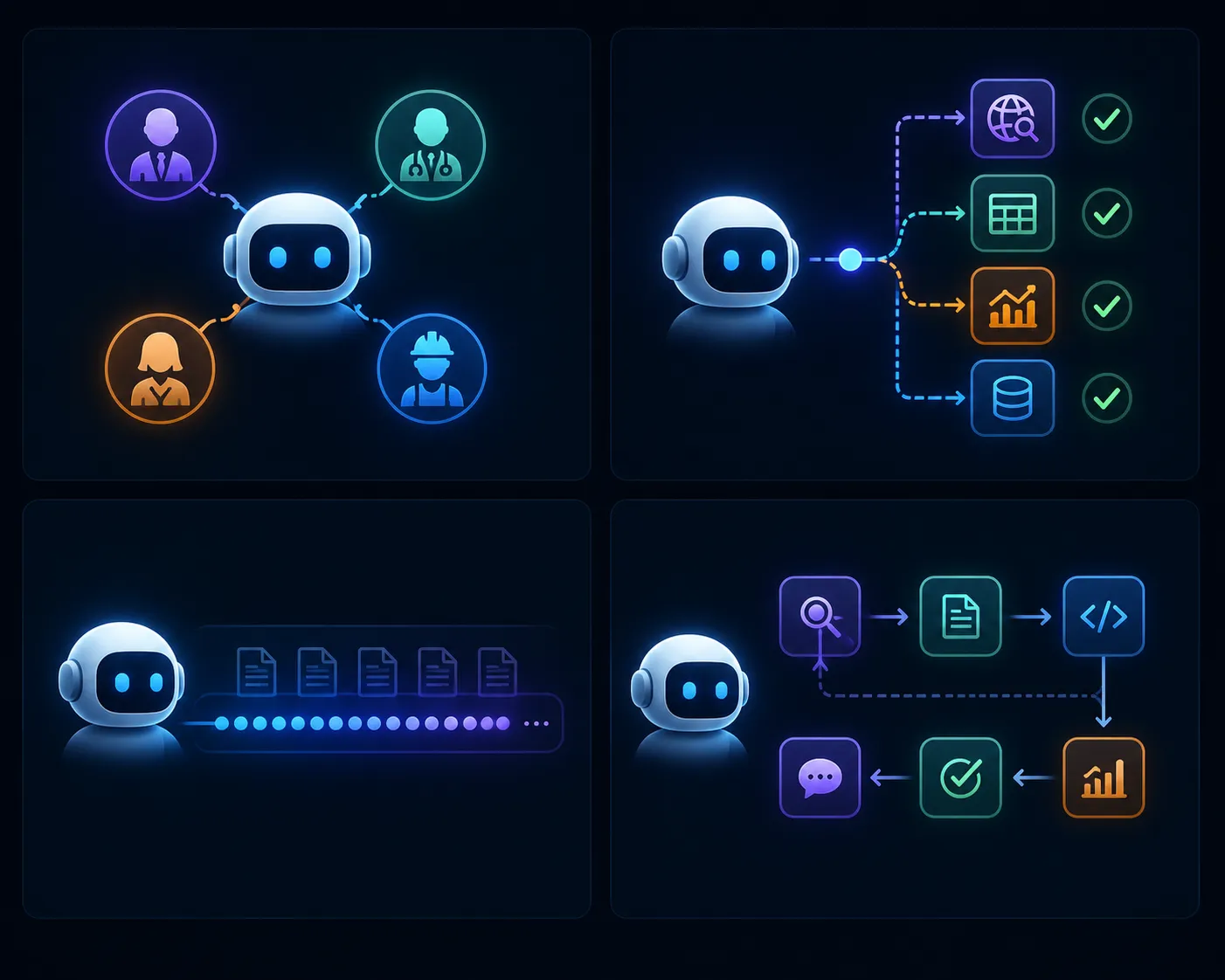 Modern models can:
- follow structured roles reliably
- call tools deterministically
- maintain longer context windows
- reason across multi-step workflows
2.2 Orchestration frameworks
Production frameworks (e.g., graph-based or workflow engines) now allow:
- controlled agent communication
- state persistence across steps
- retry and rollback logic
- observability of each agent decision
2.3 Enterprise pressure
Companies are no longer experimenting with AI — they are deploying it in:
- finance workflows
- customer support automation
- software engineering pipelines
- cybersecurity operations
This forces AI from “assistant mode” into autonomous execution mode, where reliability matters more than novelty.
3. What a production multi-agent system actually looks like
A real enterprise-grade multi-agent system is not a group of chatbots talking randomly.
It is closer to a distributed execution engine for intelligence.
Typical architecture:
Layer 1 — Orchestration Layer
- receives intent
- assigns tasks to agents
- manages workflow state
Layer 2 — Agent Network
- specialized agents with narrow responsibilities
- each agent has:
- tools
- memory scope
- constraints
- execution permissions
Layer 3 — Context & Memory Layer
- shared structured state
- retrieval systems (RAG)
- long-term memory (business context, policies, history)
Layer 4 — Tooling & Execution Layer
- APIs, databases, SaaS tools
- internal systems (ERP, CRM, CI/CD, etc.)
Layer 5 — Governance Layer
- permissions
- audit logs
- human approval checkpoints
- safety constraints
This structure mirrors what modern enterprise “agent stacks” are converging toward: orchestration + execution + governance as a unified system.
4. Core design patterns in multi-agent systems
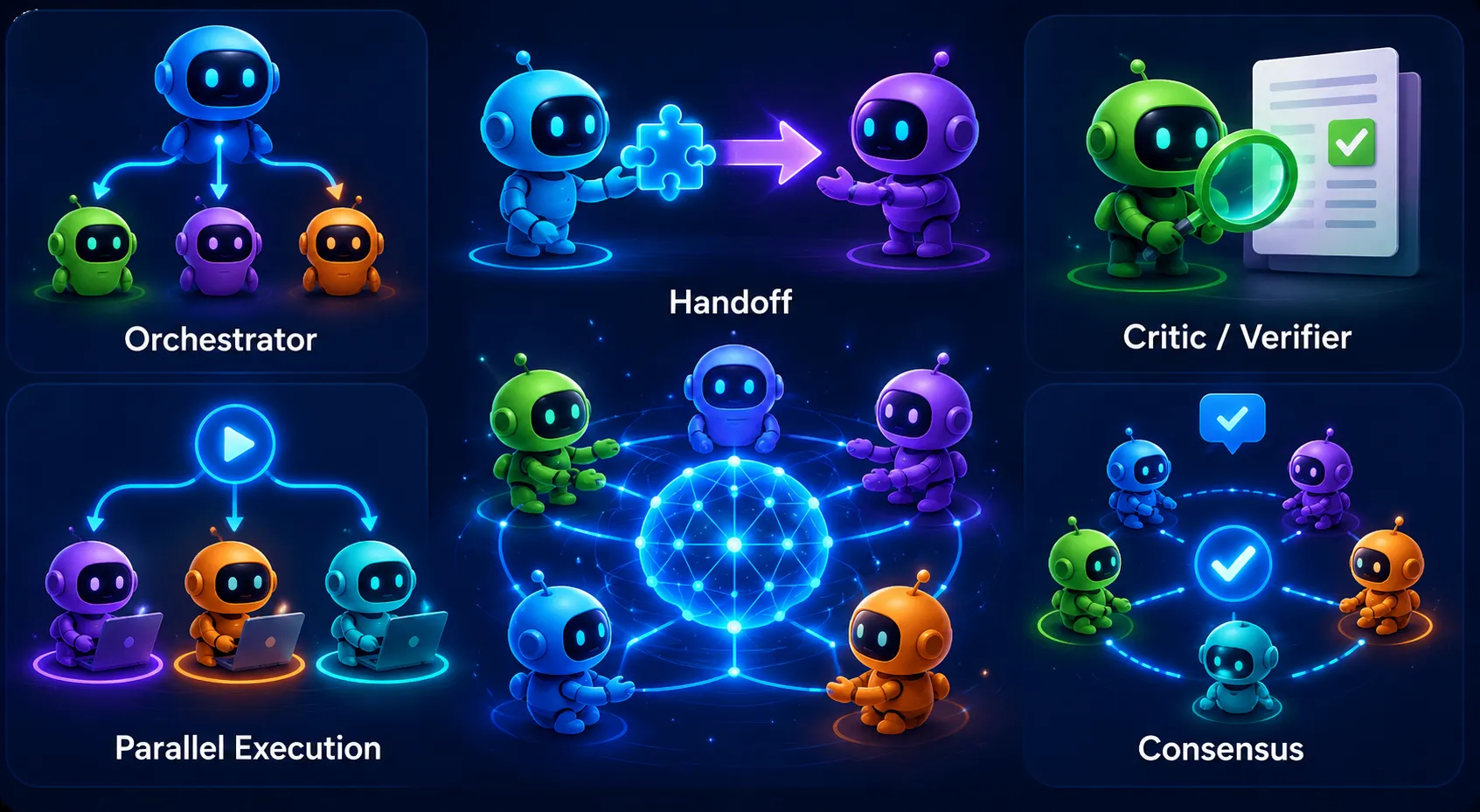 4.1 Router / Orchestrator pattern
One agent decides:
- what needs to be done
- which agent should do it
- in what order
4.2 Handoff pattern
Agents pass structured state between each other instead of raw conversation logs.
4.3 Critic / verifier pattern
A second agent evaluates outputs for:
- correctness
- compliance
- hallucination detection
- business logic validation
4.4 Parallel execution pattern
Multiple agents run simultaneously:
- faster processing
- better coverage of complex tasks
- redundancy for reliability
4.5 Consensus systems
Multiple agents vote or reconcile outputs before final action.
5. Why multi-agent systems are hard in production
Despite the hype, production reality is messy. The main failure points are not model quality — they are system design issues.
5.1 Context fragmentation
Each agent sees only part of the system.
Result:
- inconsistent decisions
- duplicated work
- conflicting outputs
5.2 Coordination overhead
More agents = more complexity:
- task duplication
- circular dependencies
- orchestration bottlenecks
5.3 Tool misuse risk
Agents can:
- call wrong APIs
- perform unsafe actions
- overstep permissions
5.4 Observability gaps
Most systems fail because:
- you cannot explain why an agent acted
- debugging becomes impossible at scale
5.5 Cost explosion
Multi-agent systems can multiply:
- token usage
- API calls
- compute costs
A multi-agent system can easily cost 10–20x more than a single-agent pipeline if not carefully optimized.
6. Where multi-agent systems actually succeed today
Despite challenges, adoption is accelerating in domains where tasks are:
High complexity + high variability:
- enterprise process automation
- software development workflows
- IT operations (incident response)
- data analysis pipelines
- cybersecurity monitoring
For example, enterprise platforms are already deploying “agent stacks” that unify:
- data discovery
- execution
- governance
into a single controlled system.
And in semiconductor and industrial systems, multi-agent orchestration is already used to coordinate complex engineering workflows end-to-end.
7. The real shift: from software systems → intelligence systems
Traditional software systems were:
deterministic, rule-based, predictable
Multi-agent systems are:
adaptive, probabilistic, goal-driven
This changes everything:
Old world:
- define logic explicitly
- code every workflow
- systems are static
New world:
- define goals and constraints
- agents determine execution paths
- systems evolve dynamically
This is why many experts describe this shift as moving from applications → autonomous systems.
8. Key architectural principle: bounded autonomy
The most important production lesson:
Fully autonomous agents are not the goal — bounded autonomy is
That means:
- agents can act independently
- but only within strict boundaries:
- tool access limits
- context scope
- approval checkpoints
- execution policies
Without this, systems fail due to unpredictability rather than intelligence limitations.
9. How SDH can help build production-grade multi-agent systems
This is exactly where SDH positions itself strongly in the modern AI engineering stack.
SDH can support enterprises in turning multi-agent concepts into production systems through:
9.1 Agent architecture design
- designing multi-agent topologies (orchestrator, specialist, verifier models)
- defining clear agent responsibilities
- avoiding overlapping or conflicting roles
9.2 Production-grade infrastructure
- deploying agent systems on scalable cloud architectures
- integrating Kubernetes / cloud-native orchestration
- building resilient execution pipelines
9.3 Enterprise integration layer
- connecting agents to:
- CRMs (Salesforce, HubSpot)
- ERPs
- internal databases
- APIs and legacy systems
9.4 Observability & governance
- full tracing of agent decisions
- audit logs for compliance
- monitoring cost, latency, and failure rates
- implementing human-in-the-loop checkpoints
9.5 AI system modernization
SDH helps companies move from:
- legacy monoliths or microservices
→ to - agent-ready, intelligence-driven architectures
This includes refactoring systems so they can:
- expose tools to agents safely
- support event-driven workflows
- handle multi-agent coordination without breakdowns
10. Where this is going next
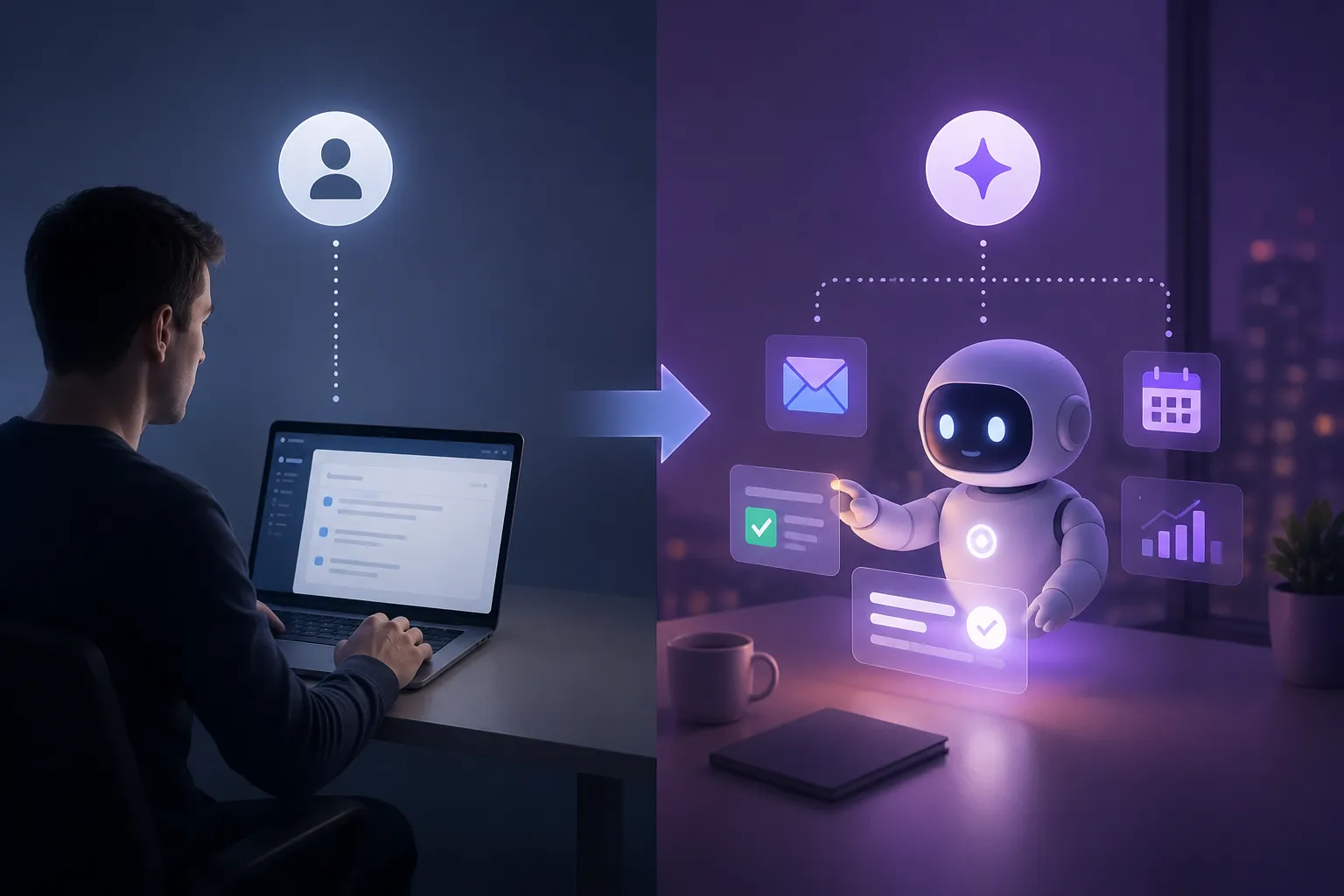 The next evolution beyond multi-agent systems is already forming:
- Agent orchestration platforms become standard infrastructure
- Every enterprise system embeds multiple agents by default
- Software teams shift from coding features → designing agent ecosystems
- APIs evolve into “agent-accessible capabilities”
- Business processes become continuously executed by AI systems
In other words:
Software is no longer just something you use.
It becomes something that acts on your behalf.
Conclusion
Multi-agent systems represent a fundamental redesign of how software is built and operated. They move computation from linear execution to coordinated intelligence networks.
But their success depends less on models and more on:
- architecture discipline
- orchestration design
- governance systems
- production engineering maturity
This is exactly the gap most enterprises struggle with today — and where engineering partners like SDH become critical: turning experimental agent systems into reliable, scalable, and governable production infrastructure.
Categories
About the author

CEO & Co-Founder at Software Development Hub. Innovation-driven expert with 20+ years of experience. A business practitioner with experience in creating and launching startups, an innovator and progressive-minded specialist, who helps turn raw ideas into profitable results.
Share




Need a project estimate?
Drop us a line, and we provide you with a qualified consultation.