
The New Reality of Enterprise Risk
Understanding Digital Sovereignty in Practical Terms
Risk Domains Influenced by Digital Sovereignty
Regulatory and Compliance Risk
Operational Risk
Vendor Dependency Risk
Cybersecurity Risk
Strategic Risk
Sovereignty as an Architectural Discipline
Infrastructure Autonomy
Data Governance by Design
Application-Level Independence
Integrated System Ecosystems
From Legacy Systems to Sovereign Environments
The Role of Structured Digital Sovereignty Services
Strategic Assessment and Risk Mapping
Infrastructure Design and Implementation
Platform Modernization
Data Sovereignty Frameworks
Integration and Ecosystem Unification
Measuring the Business Impact of Digital Sovereignty
Preparing for a Sovereign Digital Future
Sovereignty as the Foundation of Resilient Enterprise Strategy
Digital Sovereignty as a Core Component of Enterprise Risk Strategy


Modern enterprise risk now goes beyond cybersecurity and compliance. It includes control over systems, data location, infrastructure reliability, and digital independence.
As regulations tighten and digital environments grow, digital sovereignty is becoming a strategic priority. Organizations that embed it into their architecture don’t just reduce risk - they gain the confidence to grow in uncertain conditions.
The New Reality of Enterprise Risk
The nature of enterprise risk has changed fundamentally over the past decade.
Previously, risks were largely associated with:
- Hardware failures
- Security breaches
- Regulatory violations
- Operational outages
While those risks still exist, the modern landscape introduces additional layers of exposure - many of which originate from architectural dependency rather than isolated incidents.
Today’s organizations operate across:
- Multiple cloud providers
- Distributed infrastructure
- Cross-border data environments
- Integrated third-party platforms
- Highly automated workflows
Each layer introduces complexity. And complexity introduces risk.
Without structured control over digital environments, organizations may find themselves dependent on systems they do not fully govern—creating vulnerabilities that are difficult to detect until disruption occurs.
Digital sovereignty addresses this reality by shifting risk management from reactive protection to proactive control.
Understanding Digital Sovereignty in Practical Terms
Digital sovereignty refers to the ability to control digital assets, infrastructure, platforms, and data within defined operational and legal boundaries.
However, in risk strategy, sovereignty has a more precise meaning:
It represents operational independence in the face of uncertainty.
That independence includes:
- Control over infrastructure placement
- Visibility into system behavior
- Authority over data governance
- Flexibility in vendor relationships
- Resilience against disruption
Organizations that maintain sovereignty are able to make decisions based on internal priorities rather than external constraints.
This capability becomes especially important when regulatory frameworks shift, geopolitical conditions change, or infrastructure providers alter service models.
Risk Domains Influenced by Digital Sovereignty
Digital sovereignty affects multiple layers of enterprise risk simultaneously. Its value lies in its ability to stabilize operations across interconnected domains.
Regulatory and Compliance Risk

Regulatory complexity has increased dramatically across industries.
Data residency laws, privacy frameworks, and national digital regulations now impose strict requirements on how organizations handle sensitive information. These requirements frequently differ across regions, creating compliance challenges for globally distributed operations.
Without sovereign digital control, organizations may struggle to:
- Verify where data is stored
- Enforce jurisdiction-specific rules
- Maintain consistent audit trails
- Demonstrate compliance during inspections
Digital sovereignty introduces structural governance into digital systems. It enables organizations to design environments that enforce regulatory logic at the platform level, rather than relying on manual oversight.
Through carefully engineered digital environments—such as those delivered through structured sovereignty services—governance becomes embedded into the system itself. This reduces compliance friction and improves transparency across operations.
Operational Risk
Operational risk increases as systems become more interconnected.
When platforms depend on multiple services, vendors, and integration layers, even minor disruptions can cascade into major operational failures.
Common operational risks include:
- Workflow bottlenecks
- Data synchronization failures
- Service dependency outages
- Limited system observability
Digital sovereignty reduces these risks by enabling architectural clarity.
Modern sovereign environments are built around:
- Modular services
- API-driven connectivity
- Automated workflow orchestration
- Real-time monitoring
This structured approach improves operational predictability and reduces the likelihood of cascading failures.
Organizations that modernize legacy systems and unify fragmented platforms gain improved visibility into their operations—an essential capability for risk-aware decision-making.
Vendor Dependency Risk
Vendor dependency has emerged as one of the most underestimated forms of enterprise risk.
Reliance on proprietary systems or tightly coupled cloud environments can limit flexibility and create long-term constraints.
Risks associated with vendor dependency include:
- Reduced negotiation leverage
- Increased migration difficulty
- Unpredictable cost escalation
- Architectural limitations
Digital sovereignty mitigates this exposure by enabling infrastructure independence.
Hybrid and multi-environment strategies—designed with sovereignty in mind—allow organizations to maintain control over deployment decisions and avoid excessive reliance on single vendors.
This independence ensures continuity even when external providers change policies, pricing, or service availability.
Cybersecurity Risk
 Cybersecurity risks evolve continuously. Traditional defenses alone are no longer sufficient.
Security must be embedded into infrastructure design.
Digital sovereignty strengthens cybersecurity by ensuring:
- Controlled access pathways
- Enforced encryption policies
- Comprehensive logging
- Secure data segmentation
When infrastructure and governance operate together, organizations gain stronger protection against unauthorized access, data leakage, and system compromise.
Rather than reacting to threats, sovereign environments enable organizations to anticipate and neutralize vulnerabilities through architectural design.
Strategic Risk
Strategic risk emerges when technology becomes an obstacle rather than an enabler.
Rigid systems, fragmented infrastructure, and limited scalability can slow growth and reduce competitiveness.
Organizations operating without sovereign control often face:
- Delayed product launches
- Limited regional expansion
- Infrastructure bottlenecks
- Reduced innovation capacity
Digital sovereignty removes these constraints by establishing flexible and scalable digital foundations.
It allows organizations to respond quickly to emerging opportunities without compromising compliance or operational stability.
Sovereignty as an Architectural Discipline
Digital sovereignty cannot be achieved through isolated tools or policies alone. It must be built into the architecture of digital systems.
This architectural discipline focuses on designing infrastructure that supports long-term independence and resilience.
Key architectural principles include:
Infrastructure Autonomy
Infrastructure autonomy ensures that organizations retain control over:
- Deployment environments
- Resource allocation
- Network configuration
- Failover mechanisms
Controlled infrastructure environments allow organizations to maintain consistent performance across regions and operational scenarios.
Distributed infrastructure strategies also improve redundancy, enabling systems to continue functioning even during localized disruptions.
Data Governance by Design
Data governance is central to sovereignty.
Without structured governance, organizations risk losing visibility into data usage, storage, and movement.
Effective governance frameworks include:
- Defined data residency rules
- Access control policies
- Encryption standards
- Lifecycle management processes
When governance becomes an integral part of system design, regulatory compliance becomes easier to maintain.
Organizations gain confidence that sensitive information remains protected across all environments.
Application-Level Independence
Application architecture plays a critical role in sovereignty.
Modern systems rely on modular, service-based structures that allow components to evolve independently.
This modularity enables:
- Faster updates
- Reduced downtime
- Simplified integration
- Improved scalability
Organizations that adopt service-based architecture reduce technical debt and improve system longevity.
Integrated System Ecosystems
Fragmented systems create risk.
Disconnected platforms often produce inconsistent data, redundant workflows, and operational inefficiencies.
Integration-first environments unify processes across departments and platforms.
This unified structure enables:
- Real-time data exchange
- Coordinated operations
- Consistent governance
- Enhanced performance monitoring
Integrated ecosystems provide the visibility necessary for effective risk management.
From Legacy Systems to Sovereign Environments
Legacy infrastructure remains one of the largest contributors to digital risk.
Many legacy platforms were not designed to support modern regulatory requirements or large-scale digital operations.
Common challenges include:
- Limited scalability
- Outdated security models
- Manual integration processes
- Restricted interoperability
Modernization initiatives play a critical role in establishing sovereignty.
Through structured transformation programs, legacy components can be replaced or enhanced with modern architectures that support:
- Cloud-native deployment
- Automated workflows
- Scalable integration
- Secure data handling
Organizations working with experienced digital transformation providers benefit from structured modernization frameworks that reduce disruption during migration and ensure continuity of operations.
The Role of Structured Digital Sovereignty Services
Achieving sovereignty requires coordinated transformation across multiple layers of infrastructure, applications, and governance models.
Structured services designed specifically for digital sovereignty help organizations move from fragmented environments to controlled digital ecosystems.
These services typically include:
Strategic Assessment and Risk Mapping
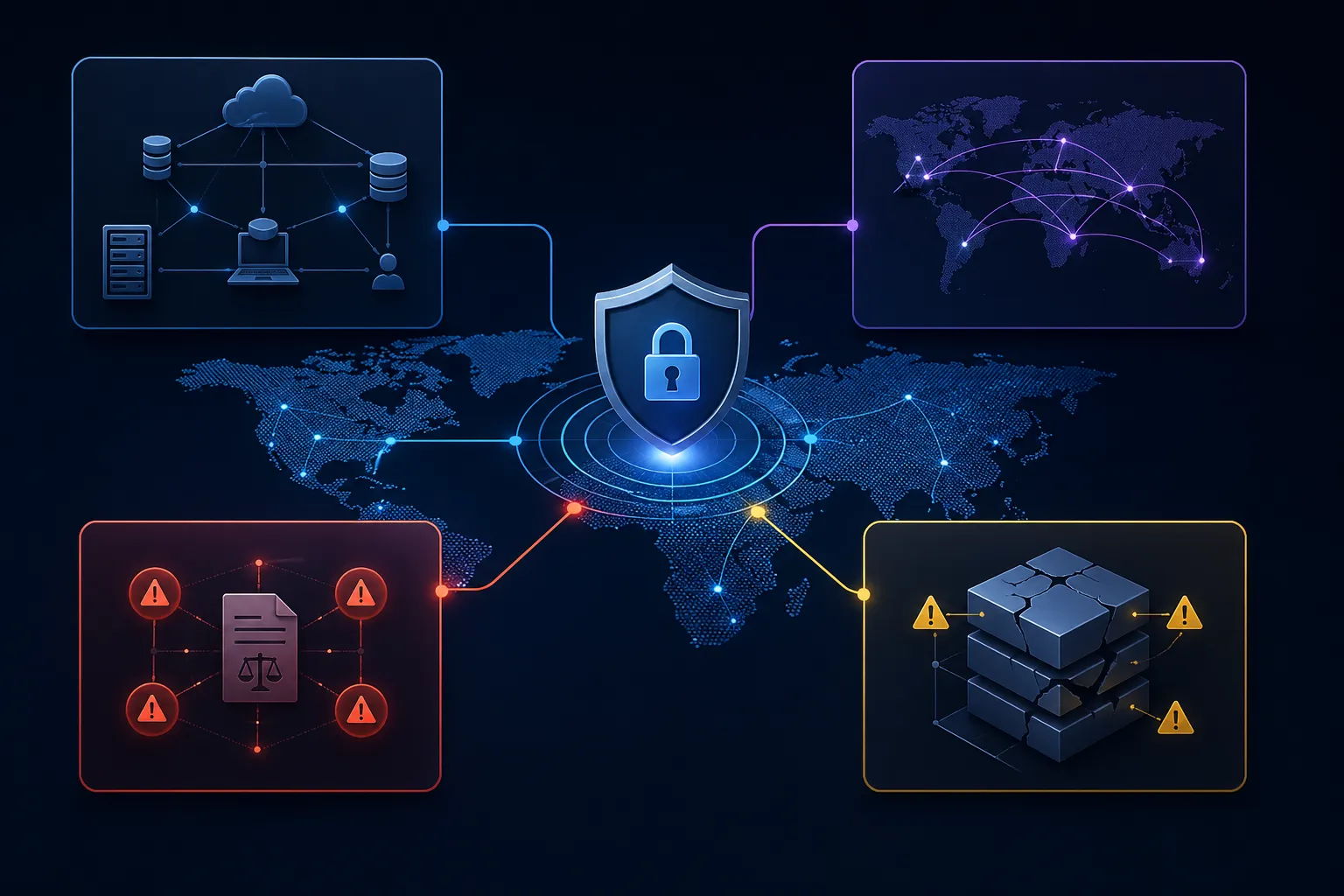 Every sovereignty initiative begins with understanding existing infrastructure.
Assessment processes identify:
- System dependencies
- Data movement patterns
- Regulatory exposure points
- Architectural vulnerabilities
Risk mapping provides a clear roadmap for transformation.
This structured visibility allows organizations to prioritize initiatives that deliver the greatest risk reduction.
Infrastructure Design and Implementation
Infrastructure design determines how systems behave under stress.
Sovereign infrastructure environments are engineered to support:
- High availability
- Geographic flexibility
- Secure deployment
- Performance consistency
These environments form the backbone of resilient operations.
Platform Modernization
Modern platforms enable organizations to operate with greater agility and control.
Transformation initiatives often involve:
- Refactoring legacy applications
- Implementing scalable services
- Integrating automated workflows
- Establishing secure communication channels
These improvements reduce technical debt and enhance operational performance.
Data Sovereignty Frameworks
Data governance frameworks establish clear rules for handling sensitive information.
They ensure:
- Data residency compliance
- Access accountability
- Secure storage
- Transparent auditing
Organizations that implement strong data frameworks gain greater confidence during regulatory reviews.
Integration and Ecosystem Unification
Enterprise environments often include multiple systems developed over many years.
Integration services unify these systems into coordinated digital ecosystems.
This unified structure improves:
- Workflow efficiency
- Data consistency
- Operational visibility
Integration is often the final step that transforms isolated components into fully sovereign environments.
Measuring the Business Impact of Digital Sovereignty
Digital sovereignty delivers measurable value across operational and strategic dimensions.
Organizations that prioritize sovereignty often experience:
Improved Operational Stability
Modernized systems operate with greater reliability.
Reduced downtime improves service continuity and customer trust.
Faster Innovation Cycles
Flexible infrastructure allows new features and services to be deployed quickly.
This accelerates product development and market responsiveness.
Enhanced Compliance Readiness
Governance-driven environments simplify regulatory audits and reduce compliance risk.
Organizations maintain confidence when operating across jurisdictions.
Reduced Long-Term Risk Exposure
Architectural independence lowers dependency risk and improves adaptability.
This resilience supports sustainable growth.
Greater Strategic Confidence
Leadership teams gain visibility into infrastructure performance and risk indicators.
This visibility enables more informed decision-making.
Preparing for a Sovereign Digital Future
 Digital sovereignty will continue to evolve as a central pillar of enterprise resilience.
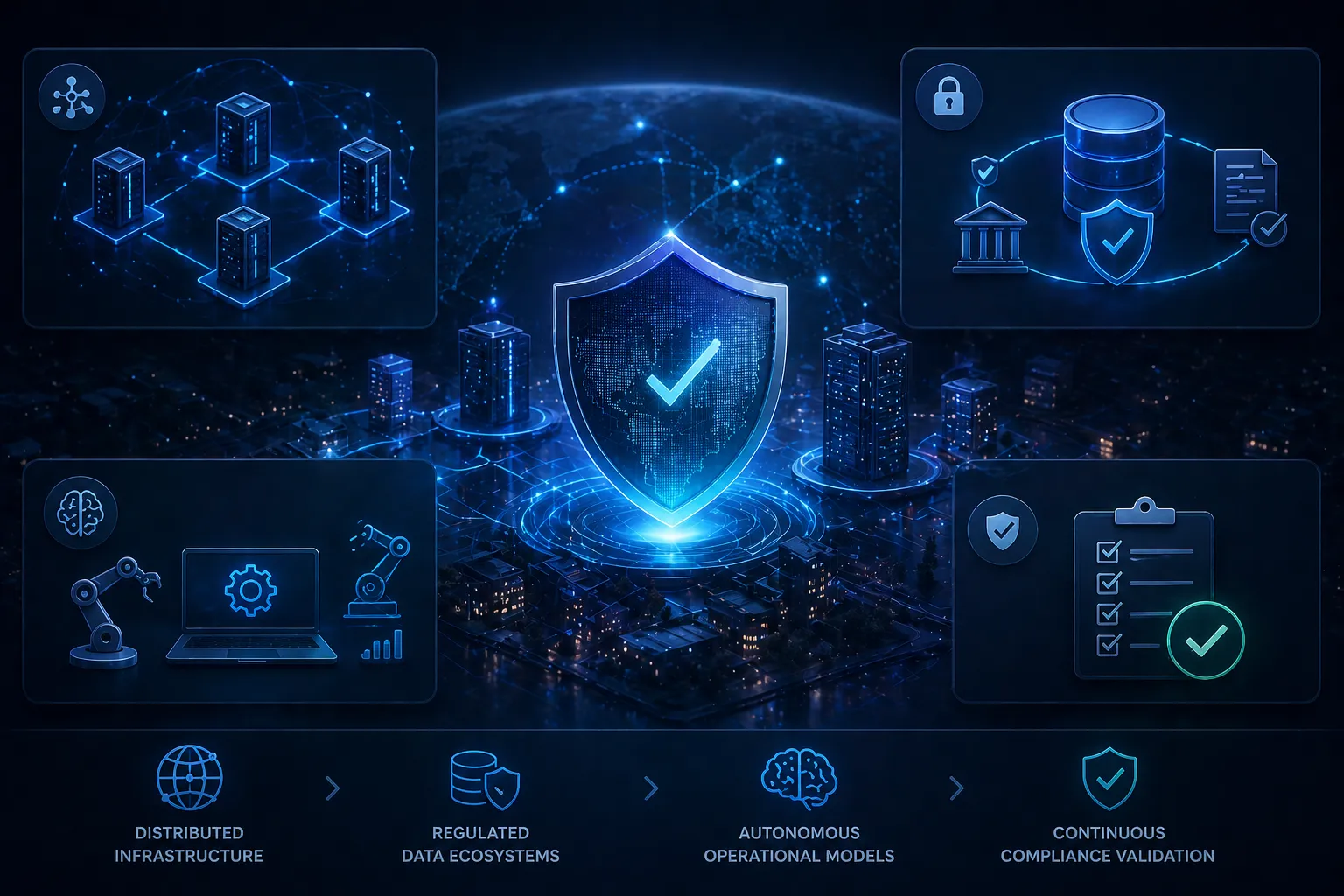
Future digital environments will be defined by:
- Distributed infrastructure
- Regulated data ecosystems
- Autonomous operational models
- Continuous compliance validation
Organizations that establish sovereignty early position themselves to adapt more effectively to emerging technological and regulatory demands.
Those that delay adoption may encounter increasing operational friction and regulatory pressure.
Sovereignty as the Foundation of Resilient Enterprise Strategy
Enterprise risk management has entered a new phase.
Risk is no longer limited to security events or compliance gaps. It now includes the structural integrity of digital systems and the degree of control organizations maintain over their technological foundations.
Digital sovereignty represents the evolution of enterprise resilience.
It transforms infrastructure into a governed, adaptable, and transparent system capable of supporting long-term growth.
Organizations that implement structured sovereignty strategies - supported by specialized services such as those provided by SDH - gain the ability to operate with confidence, maintain independence, and respond effectively to uncertainty.
In a digital world defined by rapid change and rising complexity, sovereignty is no longer optional.
It is the foundation upon which sustainable, resilient enterprise operations are built.
Categories
About the author

Business Analyst & Project Manager at Software Development Hub with 6+ years of experience. Specializing in requirements analysis, functional design, and user flow development. Skilled in writing comprehensive documentation and structuring product functionality to align with business needs.
Share
Recent posts






Need a project estimate?
Drop us a line, and we provide you with a qualified consultation.