
The New Foundation Behind AI-Driven Businesses
Why Infrastructure Is Becoming the Center of Digital Transformation
Healthcare Is Moving Toward Intelligent Infrastructure
Fintech Infrastructure Is Becoming AI-Native
SaaS Platforms Are Rebuilding Around AI
MCP Is Emerging as a Critical Infrastructure Layer
Cloud Infrastructure Is Becoming the Default Standard
AI Infrastructure Requires a New Approach to Reliability
Why CTOs Are Prioritizing Infrastructure Modernization
The Future of Infrastructure Is Intelligent
The Infrastructure Shift Happening Across Healthcare, Fintech, and SaaS

Artificial intelligence is changing more than software.
It is changing infrastructure itself.
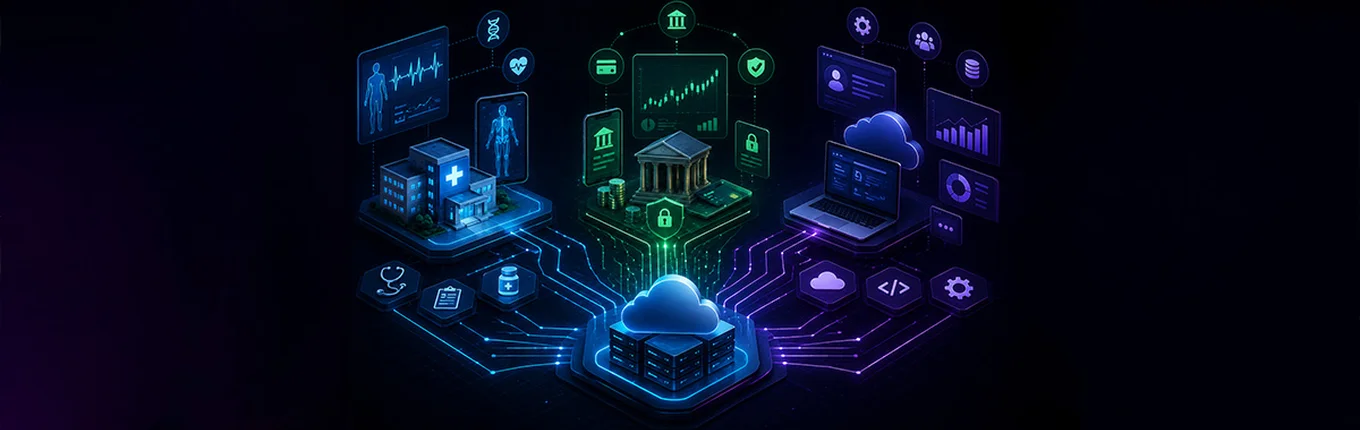
Across healthcare, fintech, and SaaS, companies are rebuilding the systems behind their products to support AI-driven operations, intelligent automation, real-time analytics, and autonomous workflows.
For CTOs and technology leaders, this shift is becoming impossible to ignore.
The New Foundation Behind AI-Driven Businesses
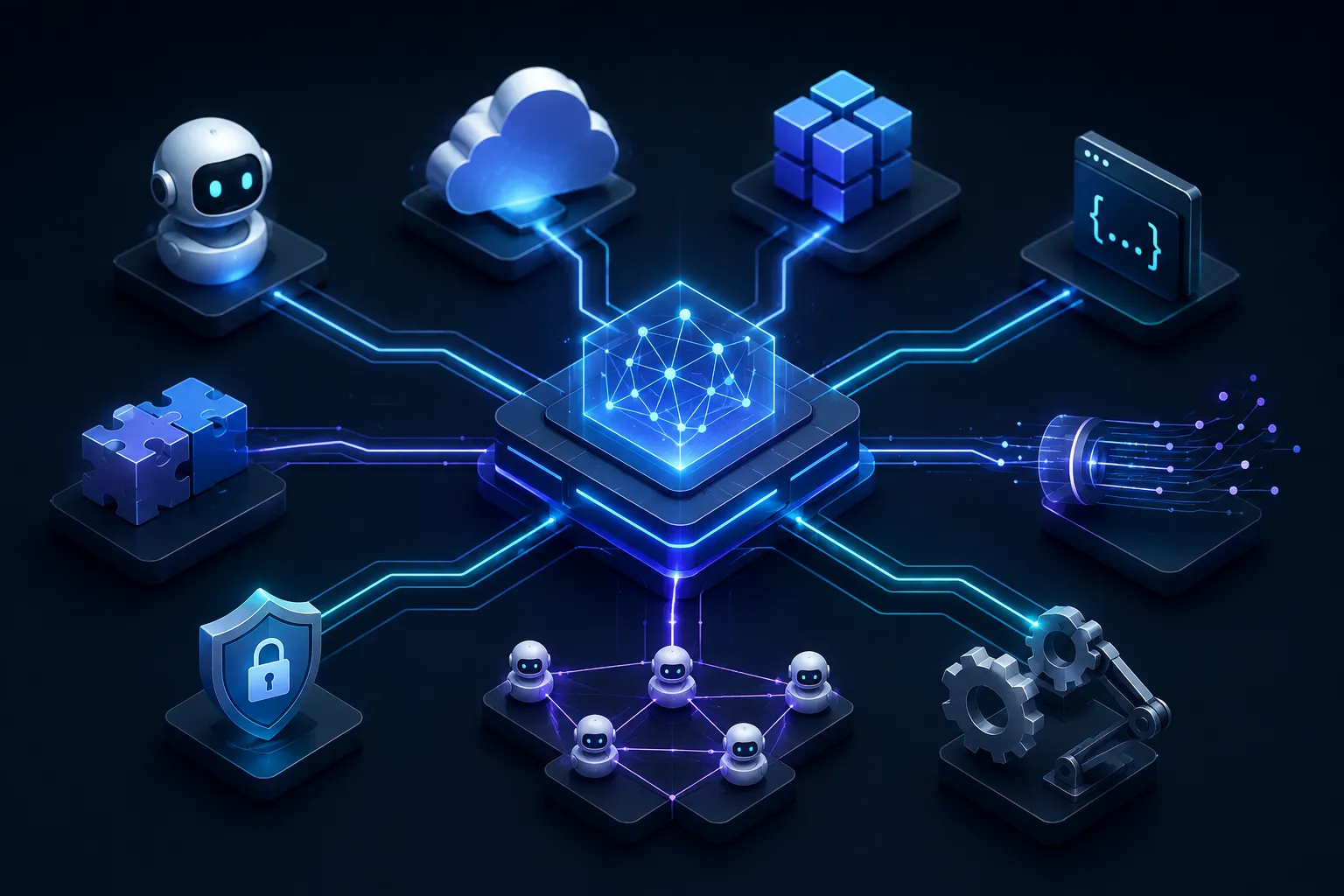
Legacy systems were designed for predictable workflows and traditional applications. Modern businesses now need infrastructure that can support:
- AI agents
- cloud-native applications
- scalable APIs
- real-time data pipelines
- intelligent automation
- multi-agent systems
- secure integrations
- autonomous decision-making
The result is a major transformation happening across the modern digital ecosystem.
According to SDH Global, businesses are increasingly investing in AI-ready infrastructure that combines cloud architecture, DevOps automation, custom software engineering, MCP integration, and scalable AI systems.
Why Infrastructure Is Becoming the Center of Digital Transformation
For years, companies focused primarily on applications.
Now the focus has shifted underneath the application layer.
Businesses are discovering that AI cannot scale on top of fragmented systems, disconnected databases, outdated backend services, or rigid architecture.
This is especially true in industries where:
- operational complexity is high
- compliance matters
- data moves constantly
- scalability is critical
- downtime is expensive
Modern organizations need infrastructure that is:
- cloud-native
- API-first
- AI-compatible
- highly scalable
- secure by design
- automation-ready
This is why infrastructure modernization is becoming one of the biggest technology trends in 2026.
The conversation is no longer: “Should we use AI?”
The real question is: “Can our infrastructure support AI at scale?”
Healthcare Is Moving Toward Intelligent Infrastructure
Healthcare organizations are under pressure to modernize faster than ever before.
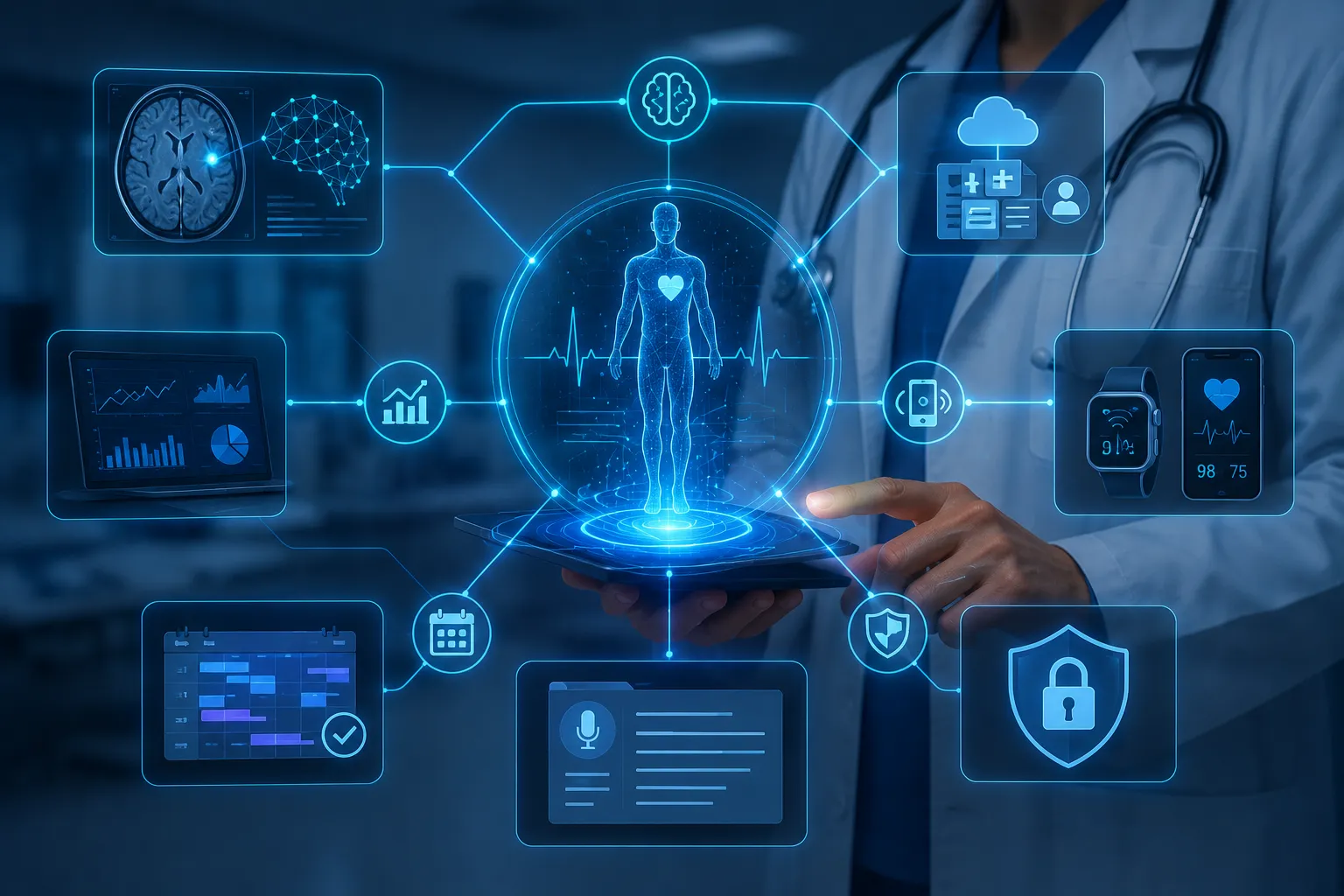
The industry now depends heavily on:
- AI-assisted diagnostics
- patient data interoperability
- predictive analytics
- remote monitoring systems
- intelligent scheduling
- automated documentation
- secure digital workflows
But many healthcare systems still rely on legacy infrastructure built long before modern AI adoption.
This creates serious operational problems:
- disconnected patient records
- inefficient workflows
- limited interoperability
- slow reporting systems
- integration challenges
- compliance risks
Healthcare providers are now investing heavily in:
- EHR and EMR modernization
- cloud migration
- secure API ecosystems
- AI-powered automation
- scalable healthcare platforms
- real-time data synchronization
SDH Healthcare Software Development Services focuses on healthcare infrastructure modernization through custom digital health solutions, workflow optimization, cloud systems, and scalable medical software development.
The biggest trend in healthcare technology is not simply adding AI features.
It is building infrastructure that allows AI systems to operate safely, reliably, and at scale.
Fintech Infrastructure Is Becoming AI-Native
Fintech companies operate in one of the most demanding digital environments.
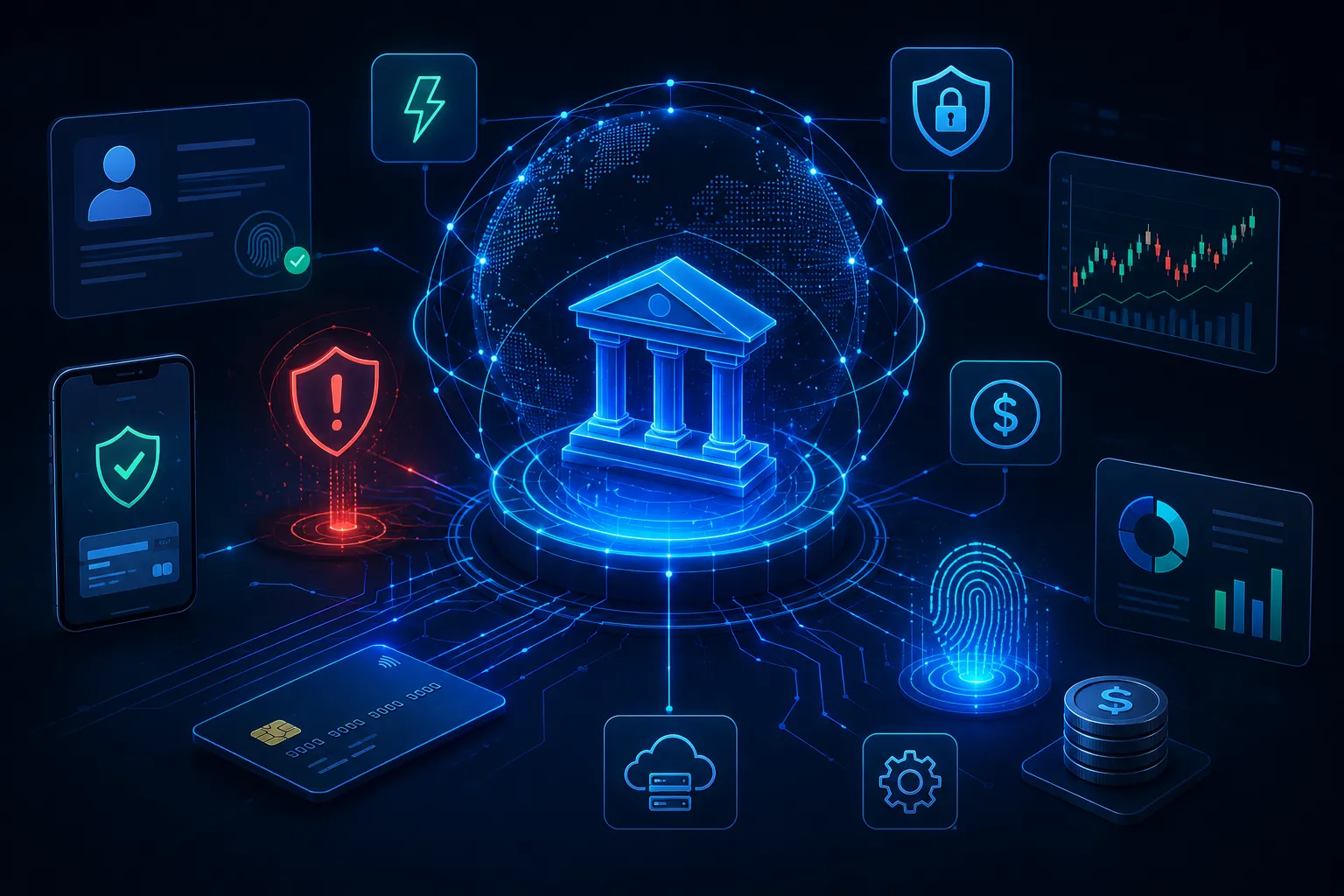
They must support:
- real-time transactions
- fraud prevention
- compliance automation
- risk analysis
- secure customer experiences
- large-scale financial data processing
Traditional financial systems struggle to handle the speed and complexity of modern AI-powered operations.
That is why fintech organizations are rebuilding their infrastructure around:
- cloud-native architecture
- event-driven systems
- intelligent automation
- scalable APIs
- distributed computing
- real-time analytics
- autonomous workflows
One of the biggest emerging trends is the rise of agentic AI systems inside fintech operations.
These systems can:
- validate transactions
- monitor compliance
- generate financial summaries
- detect anomalies
- automate reporting workflows
- coordinate operational tasks
SDH Agentic AI Development Services highlights how multi-agent AI systems are already being used for accounting automation, financial workflows, compliance operations, and enterprise orchestration.
Fintech companies that modernize infrastructure early gain major advantages in:
- operational efficiency
- scalability
- automation speed
- customer experience
- compliance readiness
SaaS Platforms Are Rebuilding Around AI
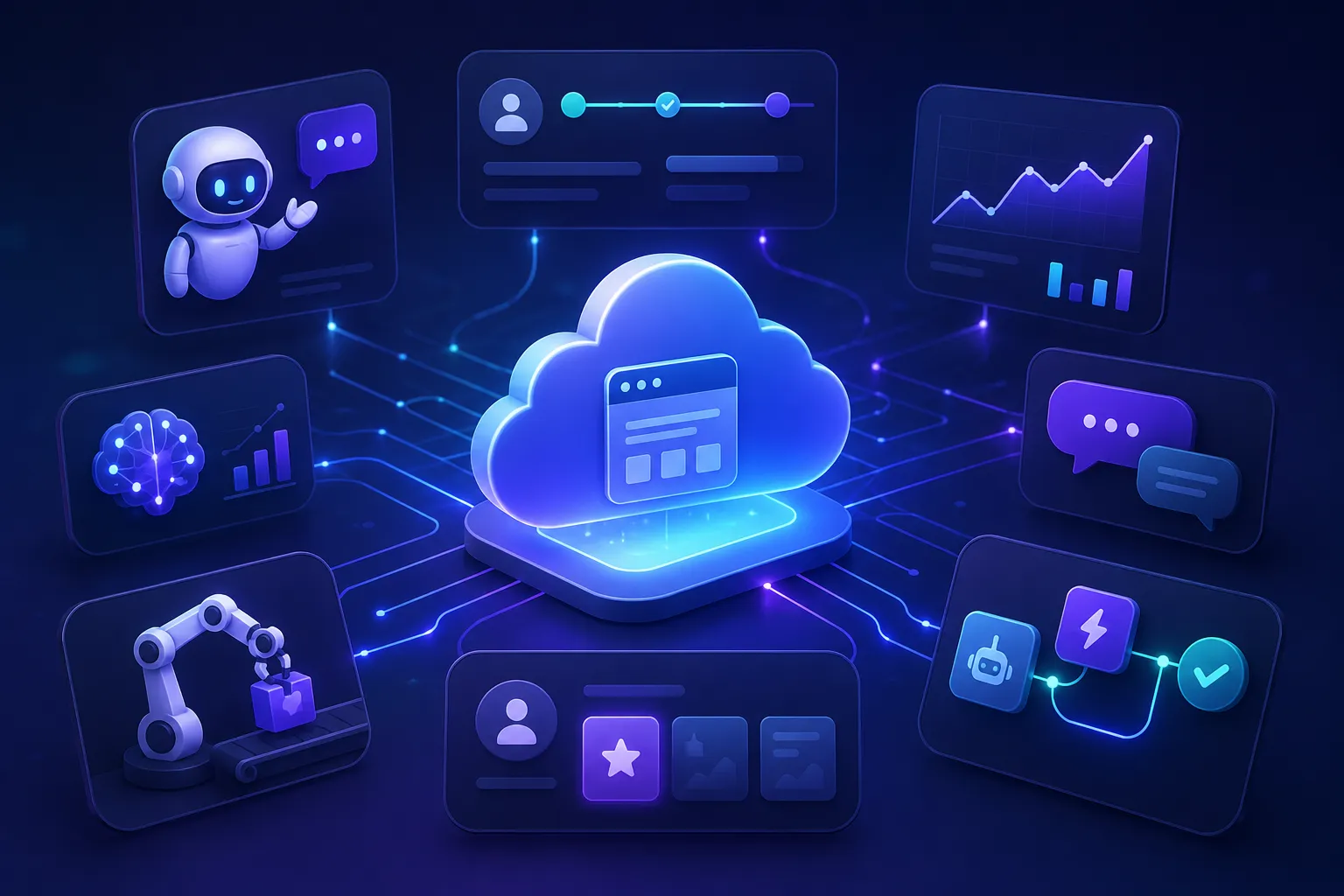
The SaaS industry is experiencing one of the fastest infrastructure transitions in software development.
Users now expect SaaS products to include:
- AI copilots
- intelligent onboarding
- predictive analytics
- conversational interfaces
- autonomous workflows
- personalized recommendations
- smart automation
But AI integration requires far more than connecting to a model API.
Modern SaaS infrastructure must support:
- scalable cloud environments
- vector databases
- retrieval pipelines
- AI orchestration systems
- secure integrations
- observability tools
- high-performance backend services
This is why SaaS companies are increasingly adopting:
- Kubernetes
- microservices architecture
- serverless computing
- containerized deployments
- DevOps automation
- MCP integrations
- multi-agent systems
SDH Software Development Services helps SaaS companies modernize infrastructure through scalable backend engineering, DevOps, API development, cloud migration, and AI integration services.
The SaaS companies growing fastest today are not simply adding AI features.
They are redesigning their infrastructure around AI from the ground up.
MCP Is Emerging as a Critical Infrastructure Layer
One of the biggest infrastructure trends happening right now is the growth of MCP (Model Context Protocol).
MCP acts as a standardized communication layer between AI systems and external tools.
Instead of building isolated integrations for every workflow, MCP allows AI systems to securely interact with:
- APIs
- CRMs
- ERPs
- databases
- cloud platforms
- enterprise tools
- internal systems
This dramatically improves:
- scalability
- interoperability
- AI orchestration
- integration speed
- maintainability
For enterprises building AI ecosystems, MCP is becoming a foundational architecture decision.
SDH MCP & AI Integration Solutions positions MCP as a core layer for scalable enterprise AI infrastructure and intelligent operational systems.
As AI adoption grows, businesses will increasingly need infrastructure that allows models, tools, workflows, and systems to operate together seamlessly.
Cloud Infrastructure Is Becoming the Default Standard
Cloud migration is no longer optional for businesses planning long-term AI adoption.
AI systems require:
- elastic scalability
- distributed computing
- high-performance storage
- rapid deployment pipelines
- global availability
- infrastructure automation
This is accelerating enterprise adoption of:
- AWS
- Azure
- Google Cloud
- Kubernetes
- Docker
- Terraform
- CI/CD pipelines
- serverless infrastructure
SDH Digital Transformation Services focuses heavily on cloud modernization, architecture upgrades, DevOps automation, and scalable digital ecosystems for AI-ready businesses.
At the same time, DevOps is becoming a critical operational layer for businesses trying to maintain speed, stability, and scalability.
SDH Managed DevOps Services and SDH DevOps Consulting Services emphasize automation, infrastructure optimization, deployment acceleration, monitoring, and operational resilience.
Infrastructure is no longer just IT support.
It is becoming the operational engine of modern business growth.
AI Infrastructure Requires a New Approach to Reliability
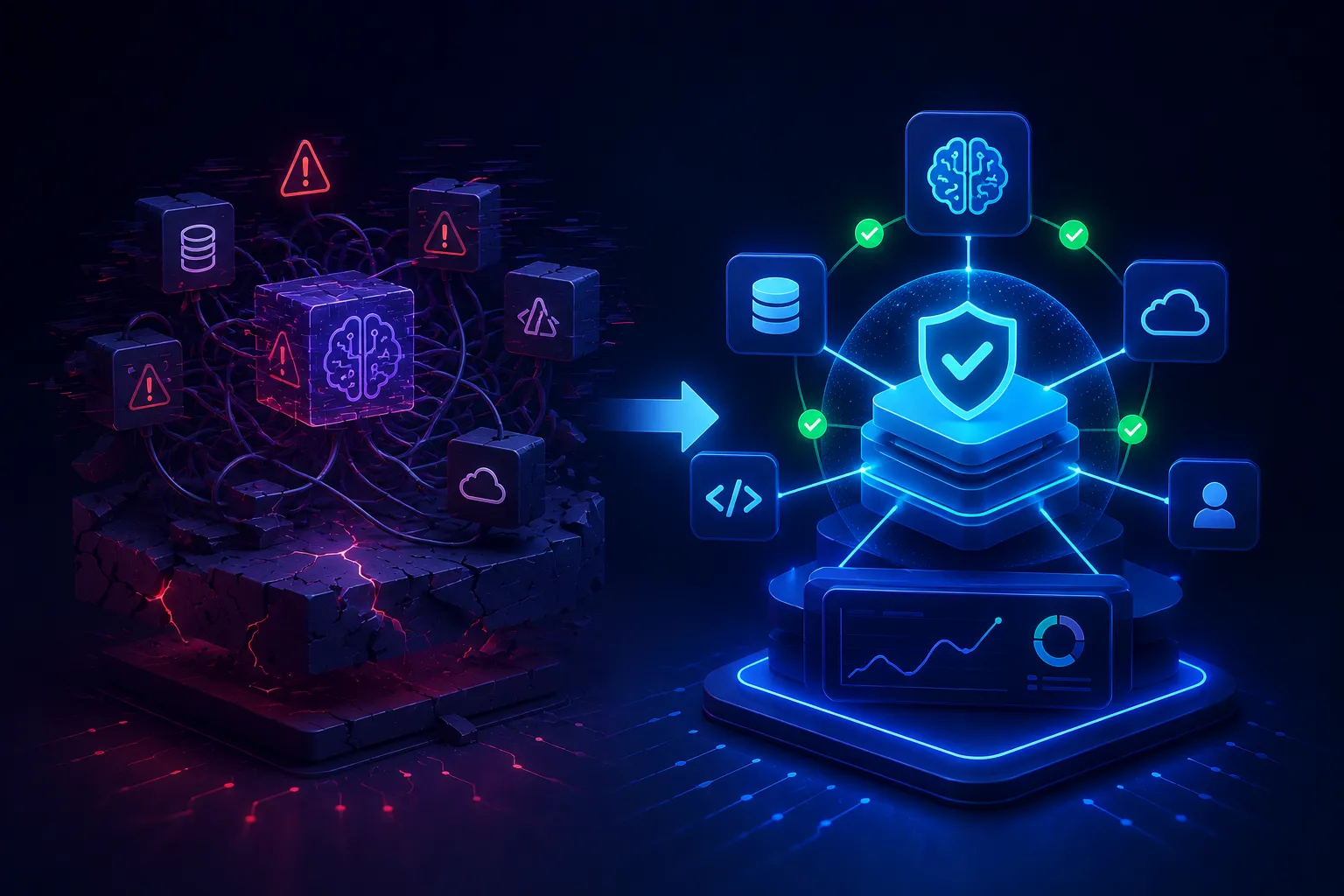
As businesses become more dependent on AI systems, infrastructure reliability becomes even more important.
Modern AI ecosystems introduce new operational risks:
- hallucinations
- inconsistent outputs
- model drift
- integration failures
- compliance concerns
- security vulnerabilities
This is why businesses are investing heavily in:
- observability systems
- audit trails
- validation pipelines
- governance frameworks
- human-in-the-loop systems
- monitoring infrastructure
- compliance automation
Modern infrastructure must support not only performance, but also:
- trust
- transparency
- explainability
- operational safety
This trend is especially important in healthcare and fintech, where compliance and accuracy directly affect business risk.
Why CTOs Are Prioritizing Infrastructure Modernization
For CTOs and engineering leaders, infrastructure modernization is becoming a strategic priority rather than a technical upgrade.
The companies leading digital transformation today are investing in:
- scalable architecture
- AI-ready systems
- intelligent automation
- DevOps maturity
- cloud-native engineering
- enterprise integrations
- operational resilience
The goal is no longer simply building software.
The goal is building intelligent operational ecosystems capable of adapting continuously.
SDH Global combines custom software development, AI engineering, cloud infrastructure, DevOps services, SaaS development, healthcare platforms, fintech systems, and enterprise AI integration into scalable transformation solutions.
This combination of software engineering and AI infrastructure expertise is becoming increasingly valuable as businesses move toward AI-native operations.
The Future of Infrastructure Is Intelligent
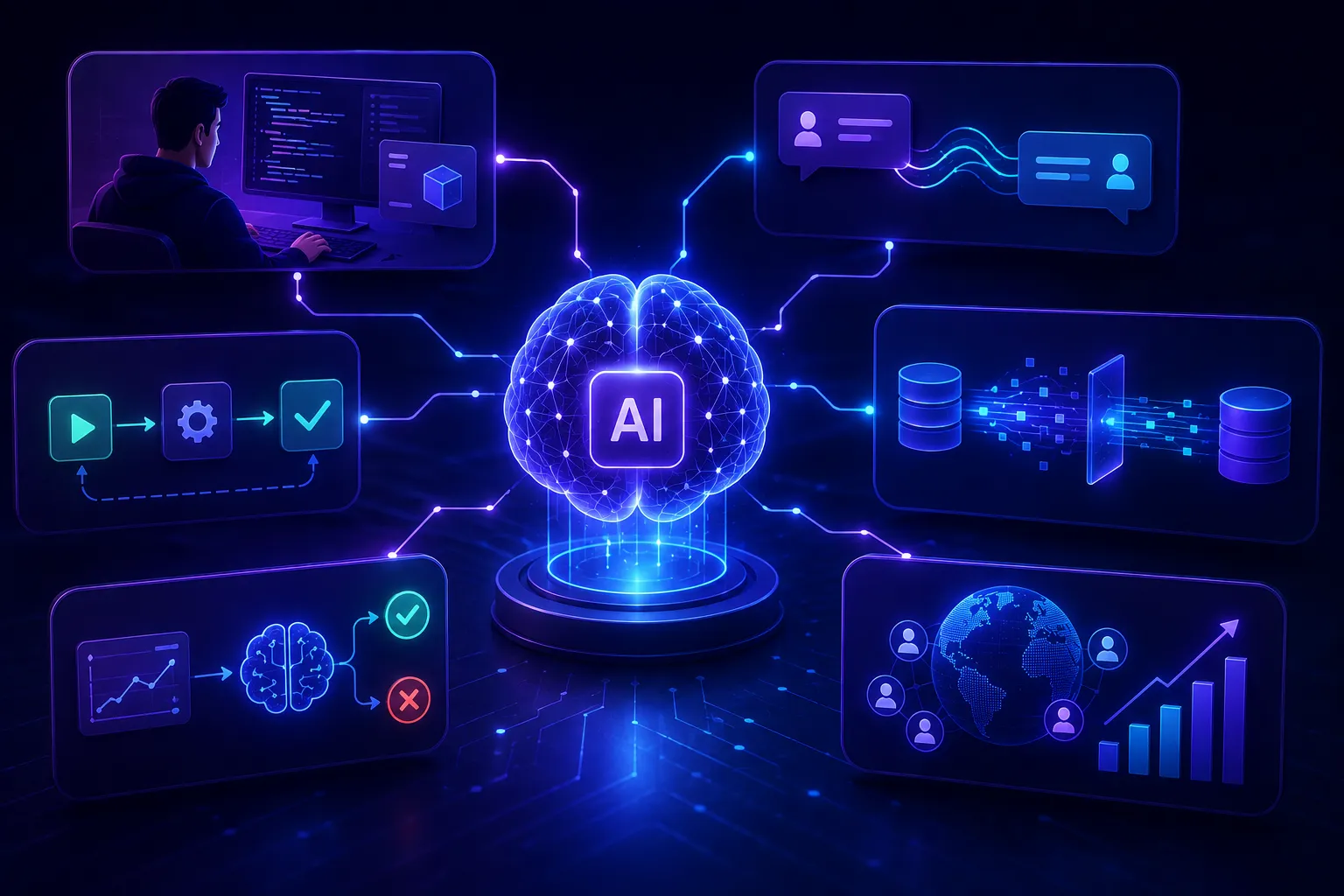
The infrastructure shift happening across healthcare, fintech, and SaaS represents something much larger than a technology trend.
It is a complete operational transformation.
AI is changing:
- how businesses build software
- how systems communicate
- how workflows operate
- how data moves
- how decisions are made
- how organizations scale
The businesses that succeed in the next decade will not simply adopt AI tools.
They will build infrastructure capable of supporting intelligent systems at enterprise scale.
That means investing in:
- cloud-native architecture
- scalable APIs
- AI integration
- autonomous workflows
- DevOps automation
- secure infrastructure
- enterprise orchestration
- resilient operational ecosystems
For companies preparing for the next generation of digital transformation, infrastructure is becoming the competitive advantage itself.
To learn more about AI-ready software development, digital transformation, cloud infrastructure, DevOps, MCP integration, and enterprise AI systems, visit SDH Global.
Categories
About the author

CEO & Co-Founder at Software Development Hub. Innovation-driven expert with 20+ years of experience. A business practitioner with experience in creating and launching startups, an innovator and progressive-minded specialist, who helps turn raw ideas into profitable results.
Share




Need a project estimate?
Drop us a line, and we provide you with a qualified consultation.