
AI and Software Development Driving Future Growth
Key Benefits of Travel & Hospitality Software Development
AI-Powered Travel and Hospitality Platforms
Real-Time Booking and Occupancy Management
Predictive Analytics for Pricing and Demand
AI-Driven Personalization Across the Guest Journey
Custom Software Modules for Hospitality Operations
Property Management System (PMS) Integration
CRM and Loyalty Program Development
Digital Concierge and Guest Apps
Channel Management and Distribution Tools
Cloud-Based and Mobile-First Travel Solutions
Cross-Platform Travel App Development
Cloud-Native Infrastructure for Scalability
Data Intelligence and Automation in Hospitality
AI-Driven Workflow Automation
Guest Behavior Analytics and Reporting
Voice Assistants and Multilingual Chatbots
GDPR and ISO-Compliant Data Security
Conclusion
Travel and Hospitality Software Development

The hospitality industry has reached a critical turning point where software development directly defines competitive advantage.
Today, digital transformation is no longer optional. It is the foundation for operational success, guest satisfaction, and long-term growth.
Currently, 68% of hospitality brands already use AI to enhance their operations. This shift is not about adopting technology for novelty — it is a business necessity. Companies implementing advanced travel software solutions consistently report:
- Higher guest satisfaction
- Smarter dynamic pricing
- Lower operational costs
- Stronger profitability
AI and Software Development Driving Future Growth
Revenue results make the value clear. Businesses using AI-driven systems achieve up to a 43% revenue increase, largely due to personalization and predictive pricing that drive better occupancy rates.
Industry forecasts show even greater acceleration ahead. Experts project the global travel AI market will reach $1.5 trillion by 2030, fueled by automation, intelligent hospitality platforms, and next-generation guest management tools.
This article explores how travel and hospitality software development is reshaping the industry through AI-powered platforms, custom modules, cloud-first solutions, and data intelligence.
Key Benefits of Travel & Hospitality Software Development
Enhanced Customer Experiences
Modern software delivers personalized journeys, faster booking, intuitive interfaces, and responsive support — all of which increase satisfaction and loyalty.
Improved Operational Efficiency
Automation replaces manual tasks, reduces errors, and frees staff to focus on service. Inventory, pricing, and resource planning become more streamlined and reliable.
Scalable, Resilient Architecture
Cloud-native solutions handle seasonal demand, peak traffic events, and rapid geographic expansion without costly infrastructure overhead.
Data-Driven Decision Making
With deep analytics and real-time reporting, travel companies can optimize revenue, predict trends, and understand customer behavior at every stage.
Stronger Partner & API Ecosystems
Software that integrates widely enables travel brands to participate in broader marketplaces and scale distribution across channels and partners.
AI-Powered Travel and Hospitality Platforms
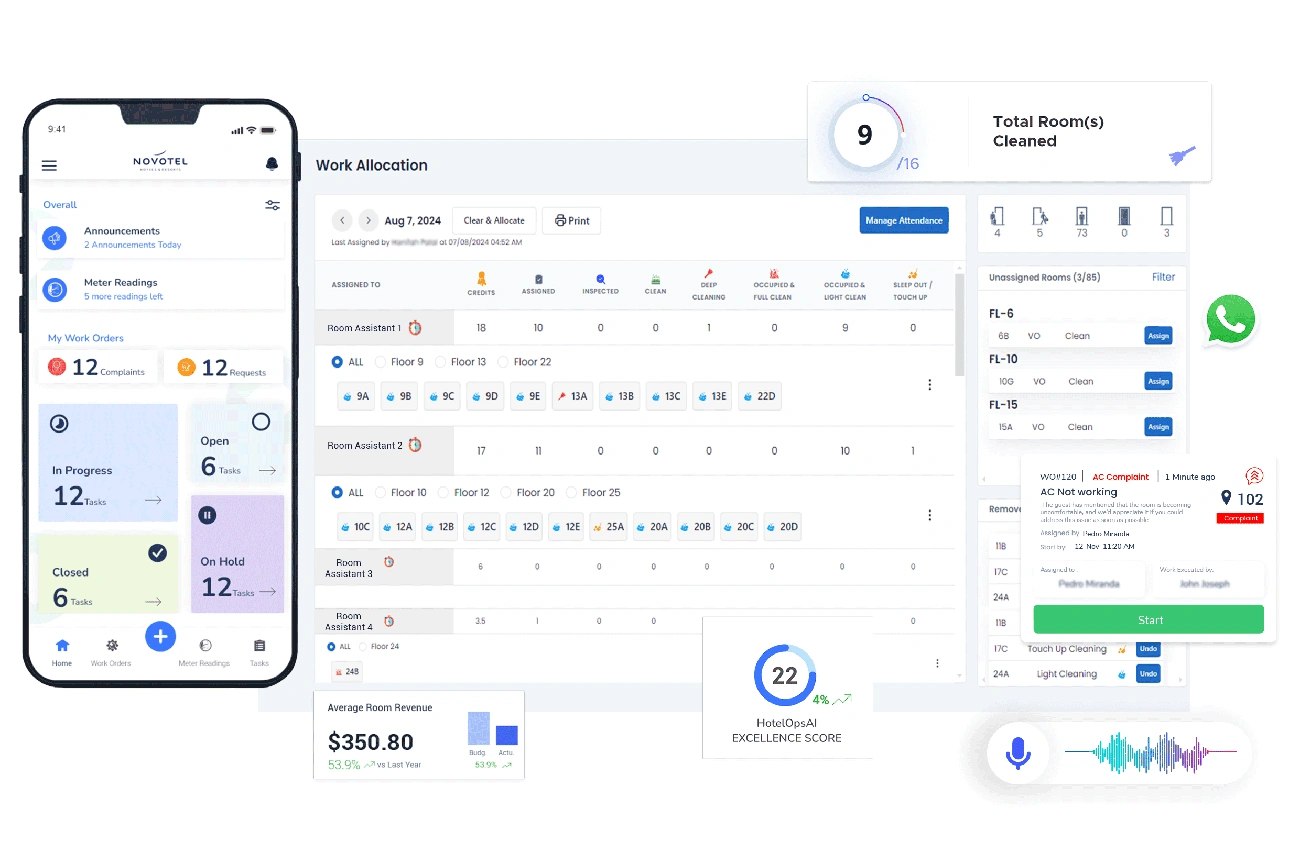 Modern hospitality platforms differ from legacy systems in one major way:
They are predictive, not reactive.
Artificial intelligence now enables hotels and travel companies to process millions of transactions while delivering personalized experiences at scale.
Real-Time Booking and Occupancy Management
Traditional booking systems often require guests to wait several seconds for confirmation — a delay that frequently causes abandoned reservations.
AI-powered booking engines remove this friction by:
- Processing availability checks in milliseconds
- Synchronizing inventory across all channels
- Preventing overbooking in real time
Recent research supports the effectiveness of machine learning models for occupancy forecasting. Techniques like Principal Component Analysis (PCA) help reduce complex booking data into actionable forecasting patterns.
Testing across European hotel datasets shows PCA-based forecasting consistently outperforms traditional methods across property types and booking horizons.
Predictive Analytics for Pricing and Demand
How do hotels maximize revenue when demand constantly changes?
The answer lies in predictive analytics and dynamic pricing engines.
AI-driven revenue systems adjust rates instantly based on:
- Historical booking patterns
- Seasonal demand trends
- Local events and weather conditions
- Competitor pricing movements
- Guest transaction behavior
Hilton’s adoption of predictive pricing technology led to a 5–8% revenue increase within the first year.
These machine learning models are retrained weekly, maintaining forecasting accuracy between 87–90%, helping hotels optimize staffing, inventory, and pricing strategies.
AI-Driven Personalization Across the Guest Journey
The booking experience is now the foundation of personalized hospitality.
Leading hotel brands use AI to remember guest preferences such as:
- Pillow type
- Room location
- Check-in timing
- Dining habits
During stays, AI systems anticipate guest needs — from preparing extra amenities to offering spa packages based on purchase history.
This personalization delivers measurable impact:
- Upsell conversions increase by 10%
- Guest satisfaction scores improve significantly
Travel software development services enable hotels to deliver seamless experiences while optimizing operational efficiency.
Custom Software Modules for Hospitality Operations
 Modern hospitality requires specialized modules that work together inside a unified digital ecosystem.
These solutions support every operational layer — from front desk management to distribution strategy.
Property Management System (PMS) Integration
The PMS remains the operational backbone of hotel administration.
Cloud-based PMS solutions provide:
- Mobile-enabled staff access
- Faster deployment
- Reduced IT infrastructure overhead
- Rich guest profile management
These platforms allow hotels to increase guest lifetime value through personalized service and targeted upselling.
CRM and Loyalty Program Development
CRM systems create detailed guest profiles by capturing:
- Preferences
- Booking behavior
- Transaction history
- Loyalty engagement
When integrated with PMS platforms, CRMs enable:
- Targeted marketing campaigns
- Better segmentation
- Stronger loyalty retention
- Higher conversion for additional services
Staff can deliver more meaningful communication and service recommendations at every stage of the guest journey.
Digital Concierge and Guest Apps
Digital concierge solutions provide 24/7 guest support through mobile-first platforms.
They handle:
- Service requests
- Local recommendations
- Staff communication
- Personalized suggestions
These tools reduce response times and allow hotel teams to focus on high-touch service needs.
Channel Management and Distribution Tools
Channel management software connects properties with OTAs and booking platforms by:
- Synchronizing inventory in real time
- Automating rate updates
- Preventing overbooking
- Reducing manual extranet work
Hotels can track performance metrics such as:
- Revenue per channel
- Booking volume
- Conversion rates
This data supports smarter distribution strategy and occupancy optimization.
Cloud-Based and Mobile-First Travel Solutions
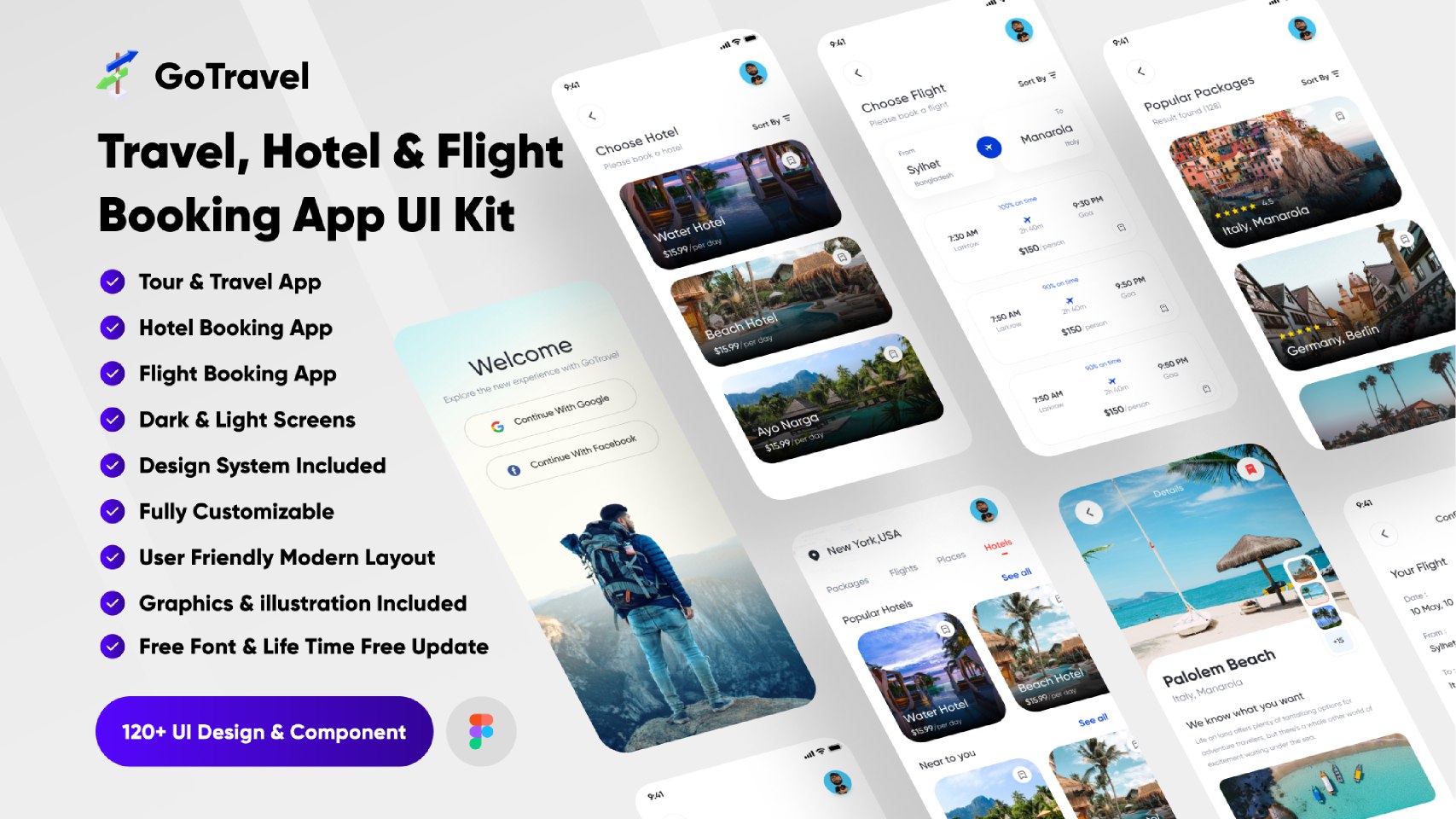 Modern travelers live on their smartphones.
Over 90% of travelers rely on mobile devices throughout their journey, making mobile-first development a requirement.
Cross-Platform Travel App Development
Cross-platform applications allow travel businesses to build once and deploy across multiple systems, reducing:
- Development time
- Operational cost
- Maintenance complexity
This matters because 76% of business travelers now prefer mobile booking options.
Successful travel apps also include offline capabilities to support inconsistent connectivity in transit environments.
Cloud-Native Infrastructure for Scalability
Cloud architecture is essential for travel businesses handling massive transaction volumes.
Cloud-native systems provide:
- Lower infrastructure costs
- Flexible scaling during peak demand
- Global accessibility
- Secure payment processing
- Consistent performance worldwide
With global in-app purchase revenue reaching $188.96 billion in 2024, secure payment gateways are critical for user trust.
Real-time updates also keep travelers informed about:
- Flight delays
- Gate changes
- Alternative transportation
This reduces disruption stress and improves overall experience.
Data Intelligence and Automation in Hospitality
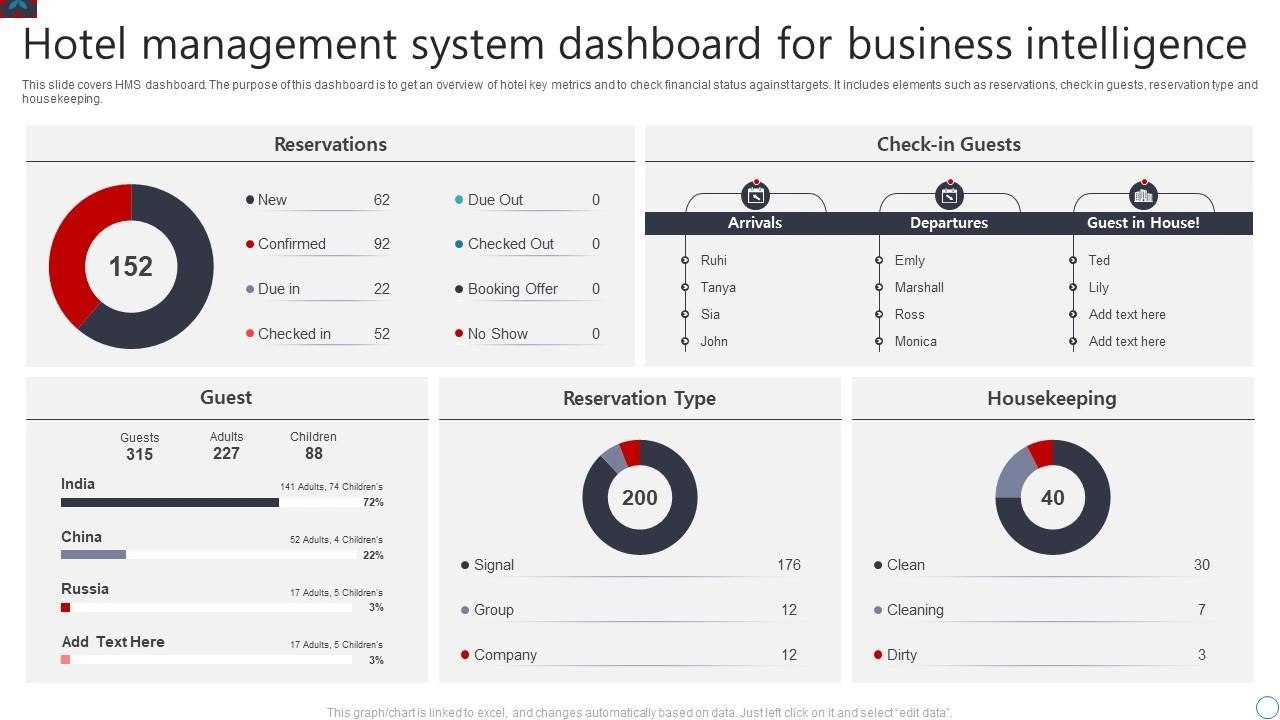 Data intelligence has become the operational engine of modern hospitality.
These platforms transform massive data streams into insights that improve decision-making and service delivery.
AI-Driven Workflow Automation
Automation systems now handle routine hotel operations such as:
- Check-in optimization
- Housekeeping scheduling
- Maintenance prediction
- Staff alert workflows
Hotels using AI automation report 30–40% reductions in operational costs.
Predictive maintenance models also help properties schedule repairs during low occupancy, minimizing disruption.
SDH helps companies implement:
- AI-powered travel assistants and chatbots
- Predictive analytics for pricing and demand
- Personalization engines for offers and upsells
- Real-time dashboards and reporting
With data intelligence, travel brands can deliver smarter journeys and maximize revenue.
Guest Behavior Analytics and Reporting
Analytics platforms examine:
- Booking trends
- Service usage patterns
- Guest preferences
- Purchasing history
Recommendation engines enable hotels to suggest relevant services, increasing ancillary revenue while improving satisfaction.
Voice Assistants and Multilingual Chatbots
Voice-enabled systems integrate with booking and in-room controls.
Guests can:
- Modify reservations
- Adjust room settings
- Request services hands-free
Multilingual chatbots remove language barriers, especially for international travelers.
Hotels implementing multilingual voice assistants report 27% higher satisfaction scores among global visitors.
GDPR and ISO-Compliant Data Security
Hospitality platforms collect sensitive guest data, making compliance essential.
Modern travel software must include:
- Strong encryption
- Secure storage
- Regular audits
- Transparent consent workflows
GDPR compliance protects hotels from penalties while strengthening guest trust through responsible data handling.
Conclusion
The hospitality industry is entering a defining era where software development determines market leadership.
Modern travel platforms now:
- Deliver personalized guest experiences
- Optimize revenue through predictive pricing
- Streamline operations with automation
- Enable mobile-first, cloud-native scalability
- Support compliance-driven data security
Software Development Hub provides specialized travel and hospitality software development services designed to meet these evolving demands.
Our expertise includes:
- Custom travel application development
- AI-powered platform integration
- Cloud infrastructure modernization
- Data intelligence and automation solutions
With the AI travel market projected to reach $1.5 trillion by 2030, these technologies represent long-term industry evolution — not temporary trends.
With deep expertise in software engineering, travel integrations, cloud systems, and user-centric product development, SDH helps travel companies innovate faster, operate smarter, and deliver unforgettable experiences.
Hospitality businesses that invest strategically in digital transformation will achieve sustained improvements in efficiency, guest satisfaction, and profitability.
Categories
About the author

Business Analyst & Project Manager at Software Development Hub with 6+ years of experience. Specializing in requirements analysis, functional design, and user flow development. Skilled in writing comprehensive documentation and structuring product functionality to align with business needs.
Share






Need a project estimate?
Drop us a line, and we provide you with a qualified consultation.