
What Is a Transportation Management System (TMS)?
How TMS Integrates with Your Supply Chain
How TMS Tools Optimize Routes
1. Automated Multi-Stop Route Planning
2. Real-Time Traffic & Condition Adjustments
3. Zone & Cost-Aware Optimization
How TMS Cuts Transportation Costs
1. Better Carrier Selection and Bidding
2. Load Consolidation & Mode Optimization
3. Reducing Manual Errors & Administrative Overhead
4. Fuel & Asset Cost Management
How TMS Improves Delivery Accuracy
1. Real-Time Shipment Visibility
2. Predictive ETAs
3. Automated Exception Monitoring
4. Proof of Delivery & Compliance Tracking
Gaining Data-Driven Insights for Strategic Decisions
Why TMS Is Essential for Growth-Focused Logistics
Choosing the Right TMS for Your Logistics Operation
Cloud-Based vs On-Premises Solutions
Integration Capabilities with Existing Systems
Conclusion
Transportation Management System (TMS) Essentials for Growth-Focused Logistics

Logistics today isn’t simple. Customer expectations keep rising, supply chains are getting more complex, and there’s constant pressure to deliver faster while spending less. To keep up, companies turn to technology — and one of the most powerful tools they can use is a Transportation Management System (TMS).
A TMS helps businesses organize and optimize their shipping operations, automate repetitive tasks, plan smarter routes, cut transportation costs, and improve delivery reliability.
Let’s break down how TMS software can make daily logistics operations smoother, more cost-effective, and easier to manage.
What Is a Transportation Management System (TMS)?
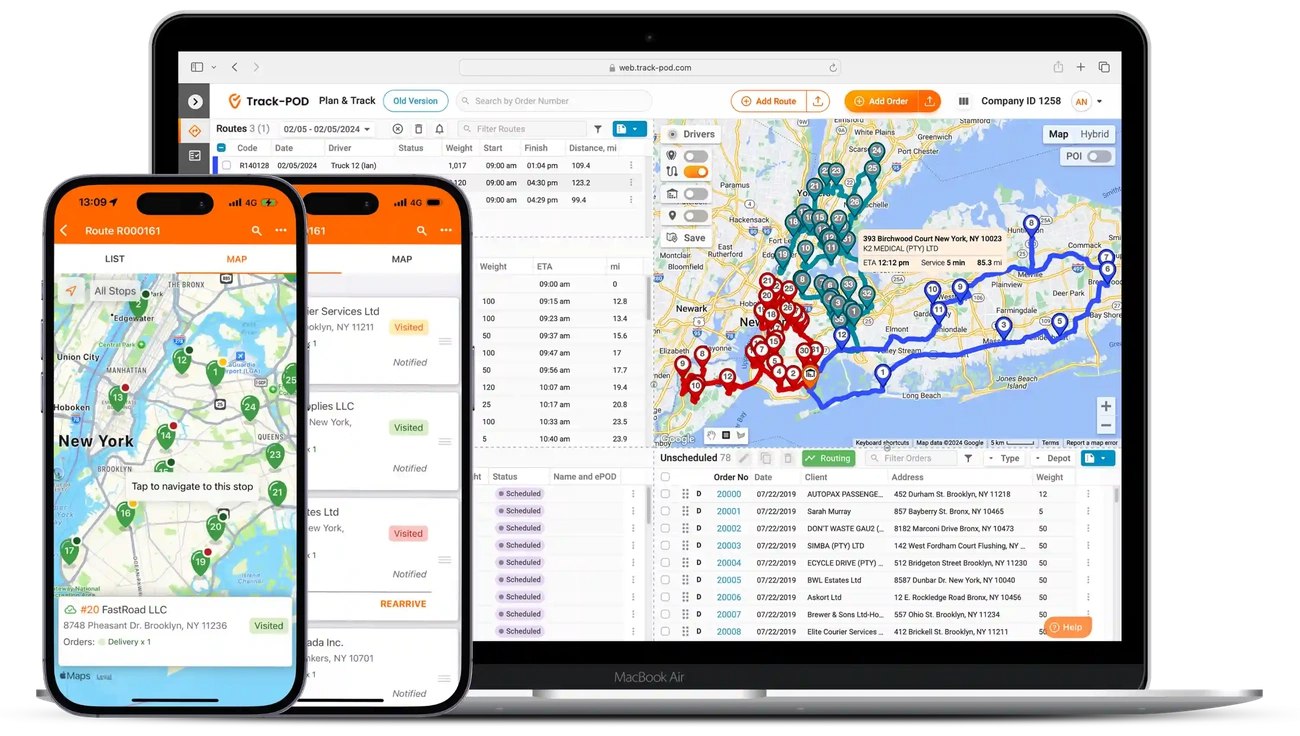 At its core, a Transportation Management System (TMS) is enterprise software that enables logistics teams to plan, execute, and monitor the movement of goods. It integrates with carriers, internal systems (ERP, WMS, order management), and external data sources to provide a single platform for managing freight from origin to destination.
A TMS typically supports:
- Carrier selection and rate management
- Route planning and optimization
- Load building and shipment consolidation
- Freight audit and payment
- Real-time tracking and visibility
- Performance reporting and analytics
When adopted strategically, a TMS becomes a command center that aligns operations with financial and customer-experience goals.
How TMS Integrates with Your Supply Chain
A Transportation Management System (TMS) connects with the core systems in your supply chain to keep everything aligned. It integrates with ERP systems for cost tracking and financial control, with CRM platforms to provide real-time shipment updates to customers, and with WMS solutions to coordinate inventory and optimize routes.
This connected setup supports both inbound and outbound logistics.
For inbound shipments, the TMS manages carrier selection, routing, and delivery schedules to ensure goods arrive at the warehouse on time. For outbound deliveries, once the warehouse prepares the order, the TMS takes over — assigning carriers, scheduling pickups, and tracking shipments all the way to their final destination.
How TMS Tools Optimize Routes
Poor routing can inflate costs, extend delivery times, and erode customer satisfaction. Modern TMS tools leverage real-time data, advanced algorithms, and contextual constraints to create highly efficient transportation plans.
1. Automated Multi-Stop Route Planning
Traditional route planning methods — often manual spreadsheets or basic GPS tools — struggle with complex constraints like delivery windows, vehicle capacities, and traffic conditions. A TMS, by contrast, uses intelligent algorithms to:
- Evaluate hundreds or thousands of routing scenarios
- Prioritize constraints such as time windows, driver hours, and vehicle types
- Recommend the most efficient sequence of stops
This results in shorter travel distances, better load utilization, and improved asset productivity.
2. Real-Time Traffic & Condition Adjustments
Many TMS platforms integrate live traffic feeds, weather alerts, and road updates. With this data, logistics planners can:
- Adjust routes proactively in response to congestion or closures
- Reroute drivers in real time
- Reduce unnecessary idle time
This dynamic routing capability minimizes delays and improves on-time metrics.
3. Zone & Cost-Aware Optimization
Advanced systems consider not just distance, but cost zones, tolls, and service levels when routing shipments. This means:
- Anticipating toll impacts and factoring them into route selection
- Balancing cost versus speed based on business rules
- Automatically choosing routes that align with commercial priorities
The result is intelligent route guidance that’s both efficient and cost-effective.
How TMS Cuts Transportation Costs
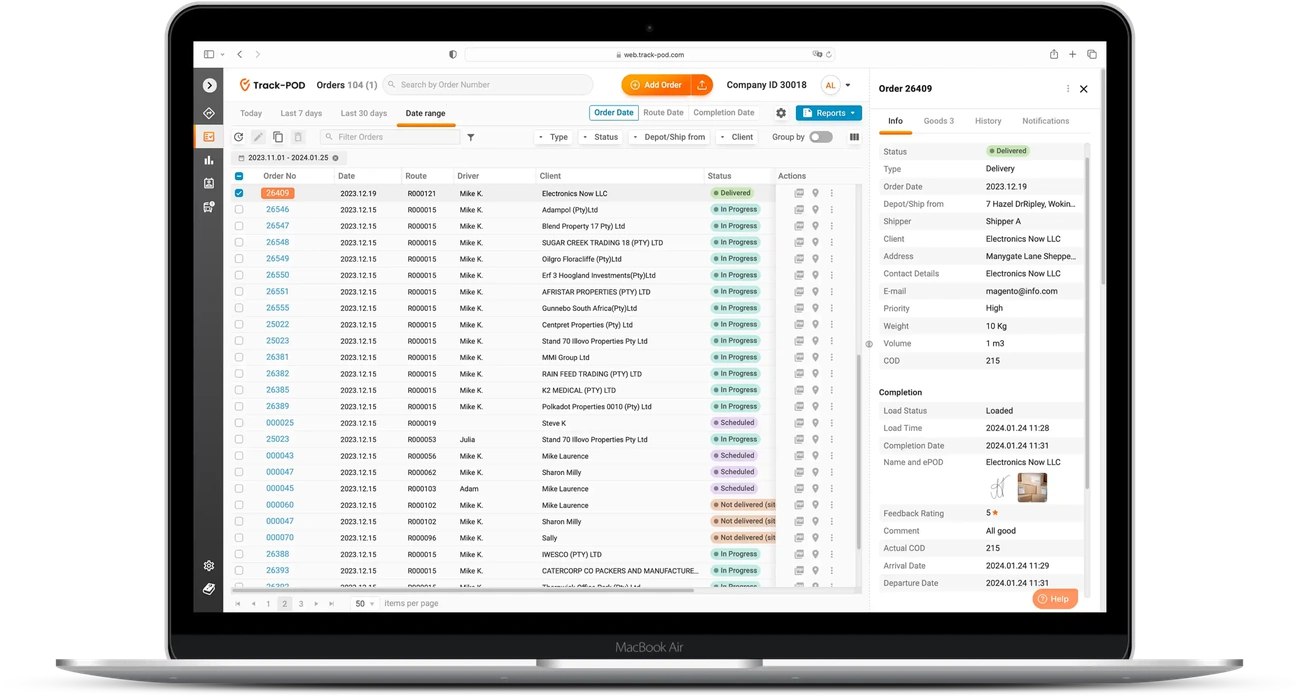 For logistics teams under pressure to reduce expenses, a TMS delivers measurable savings across multiple cost categories.
1. Better Carrier Selection and Bidding
A TMS consolidates carrier rate data and performance history so teams can:
- Compare live quotes across multiple carriers
- Select based on cost, speed, or service quality
- Automate bid requests during peak demand
This market visibility helps shippers negotiate better rates and avoid cost surprises.
2. Load Consolidation & Mode Optimization
Rather than sending multiple partially-filled trucks, a TMS can automatically identify consolidation opportunities. Key benefits include:
- Reducing the number of trips and trucks deployed
- Lowering costs per shipment through better utilization
- Identifying when intermodal or LTL transport is more economical
Mode optimization ensures goods move in the most cost-efficient way possible.
3. Reducing Manual Errors & Administrative Overhead
Manual processes add invisible costs — from mislabeled shipments to costly carrier disputes. A TMS eliminates many of these inefficiencies by automating:
- Freight audit and invoice reconciliation
- Compliance documentation
- Load planning and shipment execution
Fewer errors mean fewer corrections, less rework, and tighter margins.
4. Fuel & Asset Cost Management
Route efficiency directly impacts fuel consumption — often one of the largest line items in transportation budgets. A TMS helps lower these expenses by:
- Eliminating unnecessary miles
- Maximizing vehicle load ratios
- Enabling proactive maintenance based on utilization data
Together, these capabilities shrink operating costs while improving uptime.
How TMS Improves Delivery Accuracy
In the logistics industry, reliability and accuracy aren’t optional — they’re expected. Customers demand precise delivery windows, clear communication, and full visibility. A modern TMS supports all of this.
1. Real-Time Shipment Visibility
Customers and operations teams alike benefit from up-to-the-minute tracking. A TMS often integrates:
- GPS feeds from mobile devices or telematics
- Carrier status updates
- Estimated time of arrival (ETA) predictions
This visibility reduces guesswork and empowers logistics teams to act before exceptions become failures.
2. Predictive ETAs
Many TMS platforms apply machine learning and historical patterns to forecast delivery windows. This means:
- More accurate ETAs, refined over time
- Better customer communication
- Fewer “where is my order?” calls
Predictive insights help transform logistics from reactive to proactive.
3. Automated Exception Monitoring
When something goes wrong — a delayed pickup, missed delivery window, or traffic incident — a TMS can instantly alert the right stakeholders. This enables:
- Faster corrective action
- Better carrier performance enforcement
- In-flight decision making
As a result, delivery quality improves and exceptions are resolved before they impact the customer.
4. Proof of Delivery & Compliance Tracking
Digital proof of delivery (POD), electronic signatures, and compliance documentation reduce disputes and enhance accountability. TMS systems centralize all records and timestamps, making audits and customer service inquiries far easier.
Gaining Data-Driven Insights for Strategic Decisions
TMS platforms capture extensive operational data revealing shipment patterns, carrier performance metrics, and supply chain bottlenecks. This information enables data-driven decisions that optimize supply chain performance. Access to comprehensive analytics through integrated transportation management supports strategic planning initiatives and continuous process improvement.
The market trajectory supports this strategic approach. With TMS market growth projected at 14.5% CAGR through 2033, reaching $48 billion, organizations implementing these solutions position themselves advantageously for sustained growth.
Why TMS Is Essential for Growth-Focused Logistics
As logistics organizations scale, workflows become more complex and less amenable to manual methods. Growing businesses encounter challenges such as:
- Higher shipment volumes
- Multiple carriers and delivery modes
- Enhanced customer expectations
- Global compliance requirements
A TMS provides the infrastructure to grow without multiplying inefficiencies. Benefits include:
- Scalable operations that adapt to demand spikes
- Centralized planning and execution for multi-location networks
- Data-driven strategy rather than intuition-based decisions
- Enhanced customer satisfaction through accuracy and transparency
Choosing the Right TMS for Your Logistics Operation
 Selecting a TMS is a strategic decision. Organizations should evaluate systems based on:
- Integration capabilities with existing ERP, WMS, and CRM tools
- Scalability to handle future growth
- Real-time visibility and alerting
- Carrier network access and rate management
- Analytics and reporting
Partnering with experienced logistics software developers — particularly those with deep domain experience — ensures that the TMS aligns with business goals from day one.
Cloud-Based vs On-Premises Solutions
Cloud-based TMS platforms typically require lower upfront costs, deploy faster, and include automatic updates managed by the vendor. Their subscription model turns large capital expenses into predictable operating costs and removes the need for hardware investments. They also allow access from anywhere, making collaboration across teams easier.
On-premises solutions offer deeper customization and direct control over data, but they require significant investment in hardware, licenses, and ongoing IT support.
For most companies, cloud-based SaaS platforms with open APIs provide faster time-to-value and simpler management. The right choice depends on your IT capabilities, budget structure, and internal resources.
Integration Capabilities with Existing Systems
Your TMS should integrate smoothly with existing ERP, WMS, and CRM systems through reliable APIs. Real-time data synchronization reduces manual work, improves accuracy, and prevents operational silos.
When evaluating options, look for platforms that adapt to your current workflows instead of forcing major process changes. The best solutions fit into your operations while keeping data consistent across all systems.
Conclusion
The logistics landscape leaves little room for hesitation. Companies that delay transportation management system adoption while competitors gain operational advantages face increasingly difficult market positions.
Nowadays Transportation Management Systems are no longer “nice to have” — they are mission-critical. A robust TMS helps logistics organizations:
- Optimize routes intelligently and dynamically
- Reduce transportation and operational costs
- Improve delivery accuracy and customer satisfaction
- Make smarter, data-driven decisions
For growth-focused logistics teams, a modern TMS unlocks efficiency, scalability, and profitability.
Categories
About the author

Business Analyst at Software Development Hub. A solution-driven and result-oriented business analyst with a strong academic background in Computer science and Cybersecurity. Capable of communicating effectively with complex, cross-functional, and geographically distributed stakeholders and teams. Resourceful, hard-working, and ambitious team player.
Share






Need a project estimate?
Drop us a line, and we provide you with a qualified consultation.