
1. AI & Machine-Driven Shopping: Beyond Static Personalization
Hyper-Personalization Becomes the Norm
AI Shopping Agents & Conversational Commerce
2. Customer Journeys Become Truly Omnichannel
Seamless Integration Across Touchpoints
Mobile First, Always
Buy online, pick up in store (BOPIS) growth
3. Immersive Shopping Experiences Redefine Engagement
Augmented Reality (AR) & 3D Product Visualization
In-Store Technology Enhances “Phygital” Retail
4. Social Commerce & Live Shopping Expand Retail Reach
5. Evolving Consumer Values: Sustainability, Trust & Transparency
6. Fulfillment, Logistics & Operational Intelligence
Fast and flexible delivery options
7. Payments & Checkout Innovation
How SDH Can Help You Capitalize on These Trends
Conclusion
E-Commerce Trends to Watch in 2026: Customer Behavior, Tech Innovation & Omnichannel Retail


Ecommerce has reached a decisive turning point. Today, 64% of consumers trust generative AI recommendations enough to make purchases, and 43% of Gen Z shoppers start their product searches on TikTok instead of traditional search engines or marketplaces like Amazon.
From AI-driven personalization and immersive experiences to seamless omnichannel journeys and mobile dominance, here’s a deep look at the trends reshaping e-commerce in 2026 — and how businesses can prepare strategically.
1. AI & Machine-Driven Shopping: Beyond Static Personalization
 Artificial Intelligence (AI) is no longer an experimental add-on — it’s central to how modern e-commerce experiences are delivered.
Hyper-Personalization Becomes the Norm
AI-driven personalization now extends far beyond simple product suggestions. Advanced systems analyze browsing patterns, purchase history, behavioural signals, and even session timing to tailor:
- Dynamic pricing for individual shoppers
- Real-time product recommendations
- Customized offers across all touchpoints (web, email, mobile)
Consumers now expect their shopping experiences to feel personally curated, and brands that fail to offer this risk lower engagement and loyalty.
AI Shopping Agents & Conversational Commerce
In 2026, we’re moving toward agent-based commerce — where AI agents can search, compare, and even transact on behalf of users. These systems act like personalized shopping assistants that:
- Understand natural language
- Recommend products conversationally
- Stay engaged beyond simple FAQs
Major tech companies are pushing tools that help retailers build these smarter assistants, signaling a shift in how customers discover and complete purchases.
These AI agents also redefine search — shifting away from traditional SEO toward AI discovery optimization, where structured product data and rich attributes become mission-critical.
2. Customer Journeys Become Truly Omnichannel
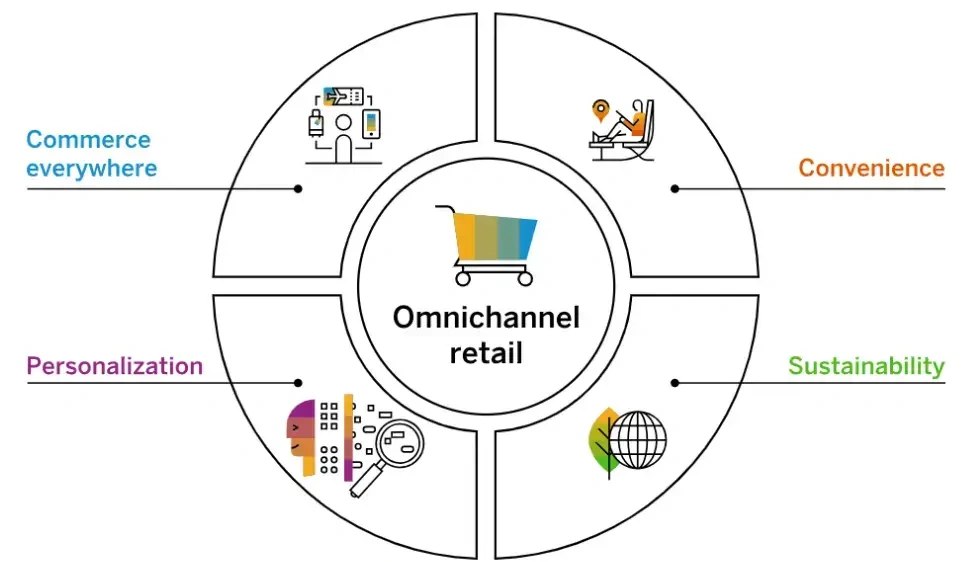
Omnichannel retail is no longer a strategic advantage — it’s a customer expectation.
Seamless Integration Across Touchpoints
Modern shoppers don’t think in “channels.” They expect to:
- Browse online, buy in-store
- Start shopping on mobile, finish on desktop
- Return products via any channel without friction
This level of unity requires shared carts, unified customer identities, real-time inventory visibility, and frictionless transitions between platforms.
Retailers embracing omnichannel are seeing engagement and retention rise, while those with siloed systems struggle to keep pace. In fact, omnichannel success requires not just presence in multiple channels but true synchronization across digital and physical touchpoints.
Mobile First, Always
Smartphones account for over half of online purchases globally — and that number continues to rise.
Today’s mobile-first ecommerce isn’t just about responsive web pages:
- Progressive Web Apps (PWAs) provide native-like performance
- Mobile wallets and one-click payments reduce abandonment
- QR and scan-to-buy experiences blur offline/online borders
Mobile drives discovery, conversion, and loyalty — making it a major focus for 2026 strategies.
Buy online, pick up in store (BOPIS) growth
BOPIS has evolved from convenience features to customer expectation. 97.2 million Americans now use this service regularly, representing 34.2% of U.S. consumers as of 2024. The financial impact reflects this adoption: U.S. BOPIS retail sales are projected to reach $154.30 billion in 2025.
The strategic value extends beyond convenience. Data shows 85% of BOPIS customers make additional purchases when collecting their orders in-store. This behavior creates opportunities for upselling and cross-selling that pure digital transactions cannot match.
3. Immersive Shopping Experiences Redefine Engagement
 Customers don’t just want products — they want experiences.
Augmented Reality (AR) & 3D Product Visualization
Visual search technology lets shoppers upload images to find similar products, resulting in 27% higher conversion rates. ASOS users of visual search viewed 48% more products with 9% higher order values. The technology removes friction from the discovery process, particularly for fashion and home decor items.
AR try-ons address one of ecommerce's persistent challenges: the inability to physically interact with products before purchase. These tools reduce returns while increasing engagement, with 61% of consumers preferring retailers offering AR experiences.
SDH Global helps ecommerce businesses implement these personalization technologies through their industry-specific solutions.
Shoppers increasingly want to interact with products before buying. AR tools let users:
- Visualize furniture in their living room
- Try makeup or eyewear virtually
- Rotate 3D products in real time
These experiences reduce uncertainty, lower returns, and increase conversions — especially in categories where touch and fit matter.
In-Store Technology Enhances “Phygital” Retail
Physical stores are no longer just points of sale. With technologies like:
- Contactless self-checkout
- Smart mirrors
- Digital kiosks and in-store inventory scanning
Stores become immersive brand experiences that extend digital engagement into the physical world.
This “phygital” approach — blending physical service with digital convenience — is a major trend in 2026.
4. Social Commerce & Live Shopping Expand Retail Reach
Platforms like TikTok, Instagram, and emerging social hubs are transforming into commerce channels in their own right.
Consumers now expect to:
- Discover products organically in feeds
- Purchase directly through social platforms without leaving the app
- Engage with livestream shopping and creator-driven commerce hubs
Social commerce is especially powerful for impulse purchases, community-led brands, and trend-driven categories like fashion, beauty, and lifestyle.
As these social ecosystems deepen their commerce integrations, conversion funnels are shortening and discovery is more dynamic — making social commerce a strategic priority for 2026.
5. Evolving Consumer Values: Sustainability, Trust & Transparency
Today’s shoppers increasingly factor purpose and values into purchasing decisions.
- Sustainability is not a niche preference — it influences brand loyalty and repeat purchases.
- Transparency in data use, returns, and sourcing builds trust.
- Ethical approaches to AI and personalization (avoiding bias, protecting privacy) are key expectations.
Brands that can back their claims with real action — whether through eco-friendly packaging or responsible data practices — will gain distinct advantages.
6. Fulfillment, Logistics & Operational Intelligence
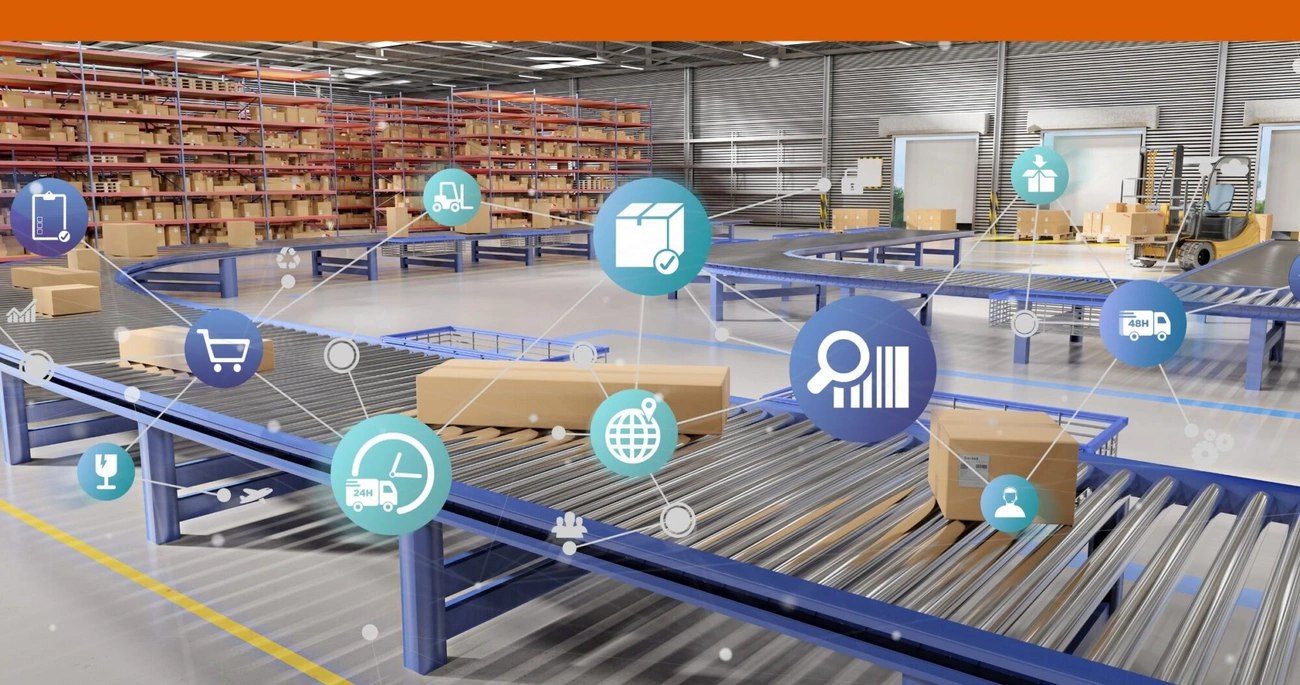 Speed and reliability continue to influence buying decisions.
- Predictive inventory systems reduce stockouts and excess stock.
- Demand forecasting tools optimize warehousing and delivery.
- Real-time logistics visibility becomes an expected feature of the customer journey.
These technological investments reduce friction, shorten delivery windows, and improve customer satisfaction — all major differentiators in 2026.
Fast and flexible delivery options
Speed expectations have become non-negotiable. Amazon delivered over 8 billion items same or next day to U.S. Prime members in 2025, representing a 30% increase from the previous year. Target expanded next-day delivery coverage to more than 30 top U.S. metro areas, encompassing 85% of store inventory. Research indicates 80% of consumers expect same-day delivery options, with 30% expecting these services at no additional cost.
Consumer willingness to pay reflects these elevated expectations. Some 41% of American consumers pay premiums for same-day delivery, while 23% pay extra for delivery within three hours. The U.S. same-day delivery market reached $9.86 billion in 2025, with growth projections to $13.20 billion by 2030.
7. Payments & Checkout Innovation
Checkout remains a high-impact touchpoint.
In 2026:
- One-click checkout and digital wallets are standard
- Buy Now Pay Later (BNPL) options continue growing
- AI fraud detection accelerates secure, seamless payments
Frictionless checkout and flexible payment structures increase conversion and build trust — especially for high-value or recurring purchases.
How SDH Can Help You Capitalize on These Trends
At SDH Global, we build custom e-commerce platforms and strategic solutions designed for the future:
- AI-Driven Personalization & Automation
Personalized product discovery, AI recommendations, and smart workflows tailored to your business.
- Mobile & Omnichannel Commerce
Seamless experiences that work across web, mobile, and physical retail channels — reducing abandonment and boosting conversion.
- Unified Systems & Integrations
Connect your CRM, ERP, inventory, payments, and analytics into a single coherent ecosystem.
- Scalable Architecture for Growth
From startups to enterprise, SDH’s solutions are built to scale with performance and security in mind.
Discover how SDH supports modern e-commerce: https://sdh.global/industries/e-commerce/
Conclusion
The e-commerce landscape in 2026 is defined by AI empowerment, omnichannel synergy, mobile-centric design, immersive experiences, and ethical brand value. To thrive, businesses must lean into these trends strategically — not just to keep pace, but to shape the future of digital commerce.
The brands that win will be those that build intelligent, seamless, and people-centric shopping journeys powered by technology and grounded in trust.
Categories
About the author

CTO & co-founder at Software Development Hub. Software engineer with 20+ years of experience. Python/Django-geek, software architect and IT team leader. Staying up-to-date with tech trends. Strong technical skills and diverse expertise in software structure design, development, team management and cybersecurity.
Share




Need a project estimate?
Drop us a line, and we provide you with a qualified consultation.